



For years, Australian candle shelves were dominated by scents borrowed from somewhere else — French vanilla, English rose, "fresh linen" that smelled like nowhere in particular. That's shifting. This Australian native fragrance guide is for anyone who's noticed eucalyptus, lemon myrtle and wattleseed showing up everywhere this year, and wants to know what to actually buy.

Why native botanicals are having a moment in 2026
There's a real cultural shift behind it. Australians are increasingly drawn to fragrances that feel locally rooted rather than imported — scents that smell like an actual place here, not an idea of Provence. It's also part of a bigger move toward "quiet luxury" at home: fewer loud, syrupy fragrances, more restrained, considered ones that read as intentional rather than overpowering.
The Australian native fragrance guide: notes to know
Eucalyptus and white tea. Crisp, clean and a little medicinal in the best way — this pairing has become shorthand for the "wellness at home" trend, and it's one of the most requested combinations we make. Burn it in a study or bathroom for an instant reset.
Lemon myrtle and coastal musk. Brighter and more citrus-forward than eucalyptus, with a soft, almost salty base note underneath. This is the one that reads as distinctly Australian to anyone who's spent time near the coast.
Wattleseed and sandalwood. Warmer and more grounding — wattleseed brings a roasted, slightly nutty note that's genuinely unusual in candle form, balanced by sandalwood's creaminess. A strong option for living rooms and bedrooms.
Memory-forward scents — why natives hit different
The bigger trend underneath all of this is what the industry's calling "memory-forward" fragrance — people choosing scents for the specific memory or place they evoke, rather than just picking whatever smells nice. Native botanicals do this better than almost anything else on the market, because for most Australians they're tied to something real: a bushwalk, a childhood backyard, a specific stretch of coastline. An imported "ocean breeze" candle can't compete with a fragrance that smells like an actual gum tree after rain.

How to choose your native fragrance
- Want focus or calm? Start with eucalyptus and white tea.
- Want something that reads as distinctly Australian to guests? Lemon myrtle and coastal musk.
- Want warmth for a bedroom or living space? Wattleseed and sandalwood.
If you're new to native fragrances and unsure where to start, our advice is to pick based on the room, not the season — these blends are restrained enough to work year-round, unlike heavier imported scents that can feel wrong outside winter.
A note on where the ingredients come from
Not all "native-inspired" candles actually use Australian-grown botanicals — some are synthetic recreations of the scent profile. Worth asking the brand directly if it matters to you. It's part of why we've leaned into refillable systems too — it means the same thoughtfully sourced fragrance can be topped up again and again, rather than a one-off purchase. For more on why we build everything refillable, see our end-of-winter refill ritual guide on the blog.

Layering native scents room to room
One trick worth stealing from the "quiet luxury" home fragrance trend: don't pick one native scent for the whole house. Try eucalyptus and white tea in the bathroom or entryway for a fresh first impression, wattleseed and sandalwood in the living room for evenings, and keep lemon myrtle and coastal musk for the kitchen, where its brightness cuts through cooking smells better than anything floral. Rotating notes room to room reads as more considered than one fragrance doing everything.
How native compares to imported classics on strength and throw
Native botanicals tend to be more restrained than imported florals or gourmands — you won't get the same room-filling "throw" as a heavy vanilla or caramel candle. That's largely the point: these are designed to sit in the background of a room rather than announce themselves at the door, which is exactly why they're suited to everyday burning rather than just special occasions.
Gifting a native fragrance to someone overseas
If you've got friends or family who've left Australia, a native fragrance candle is one of the more effective ways to send a piece of home — far more evocative than a tea towel or a jar of Vegemite. Eucalyptus in particular tends to land as instantly recognisable, even for people who've been away for years.
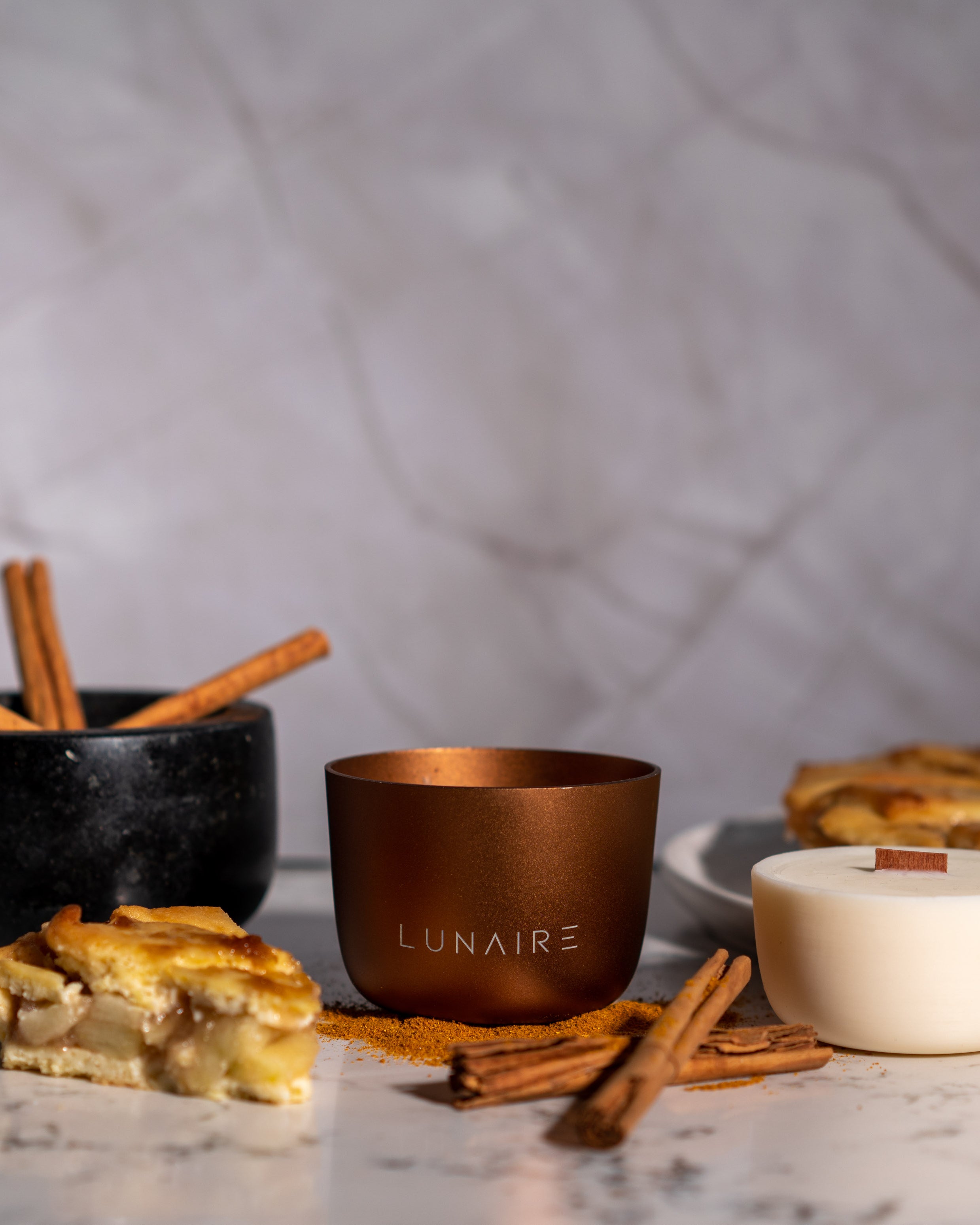
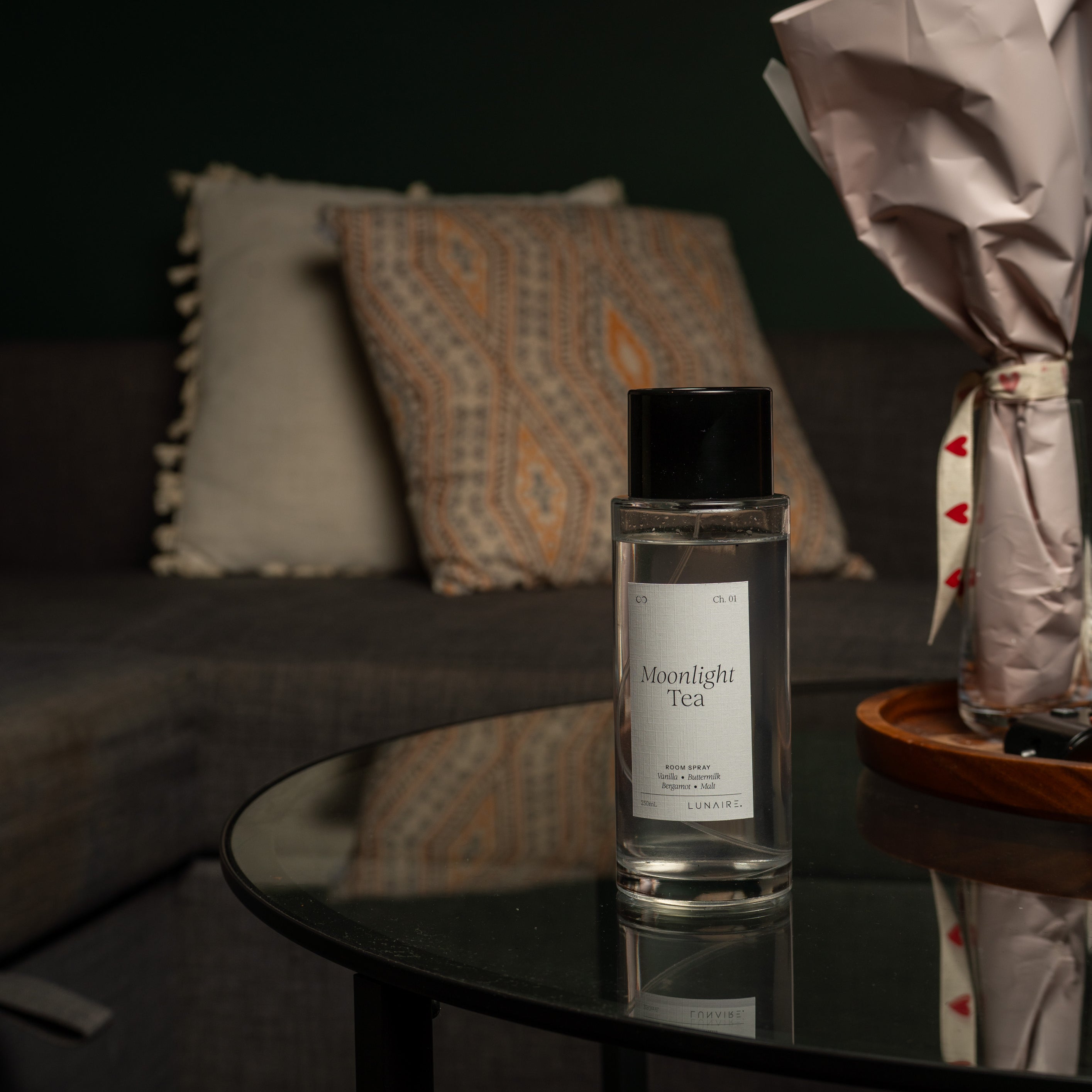
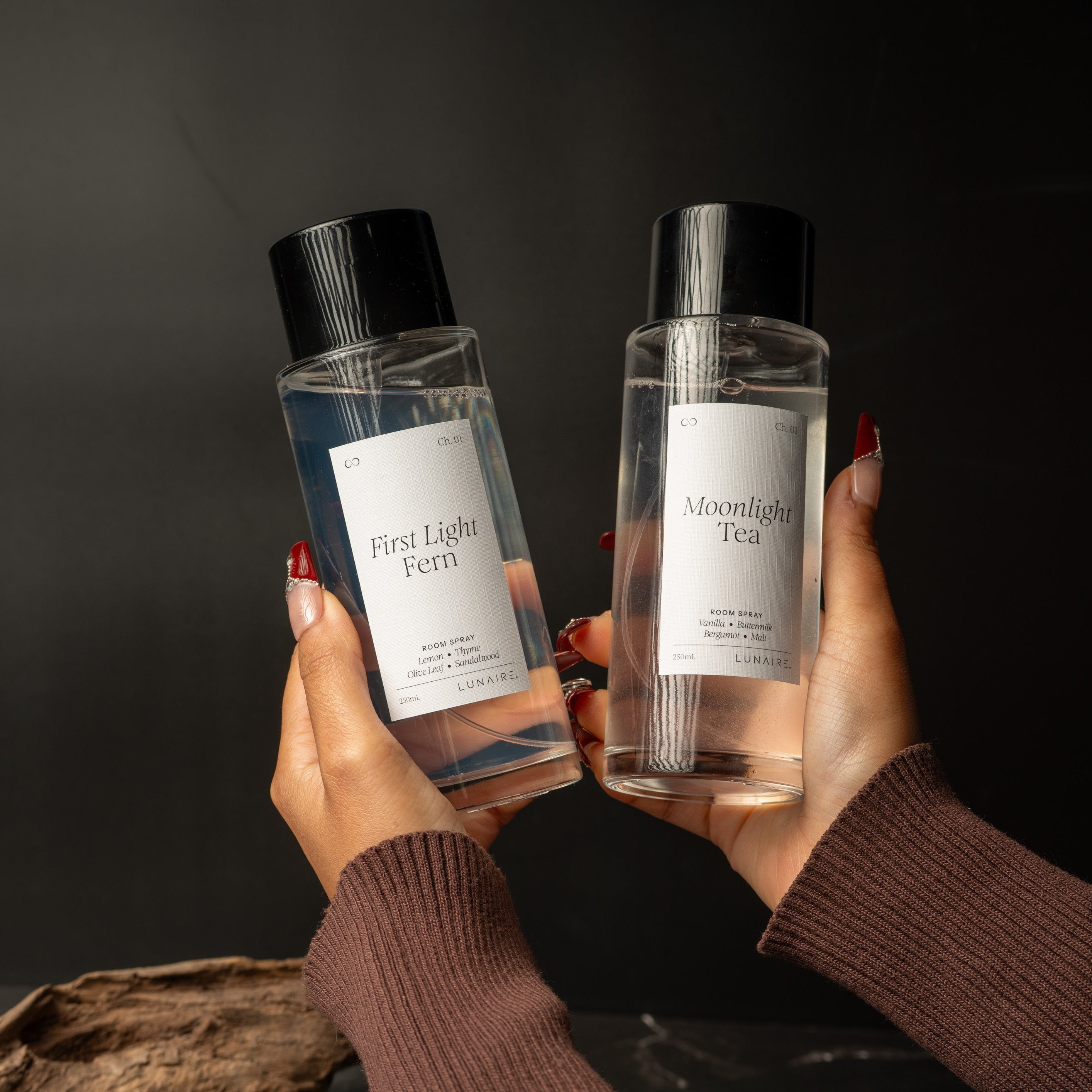
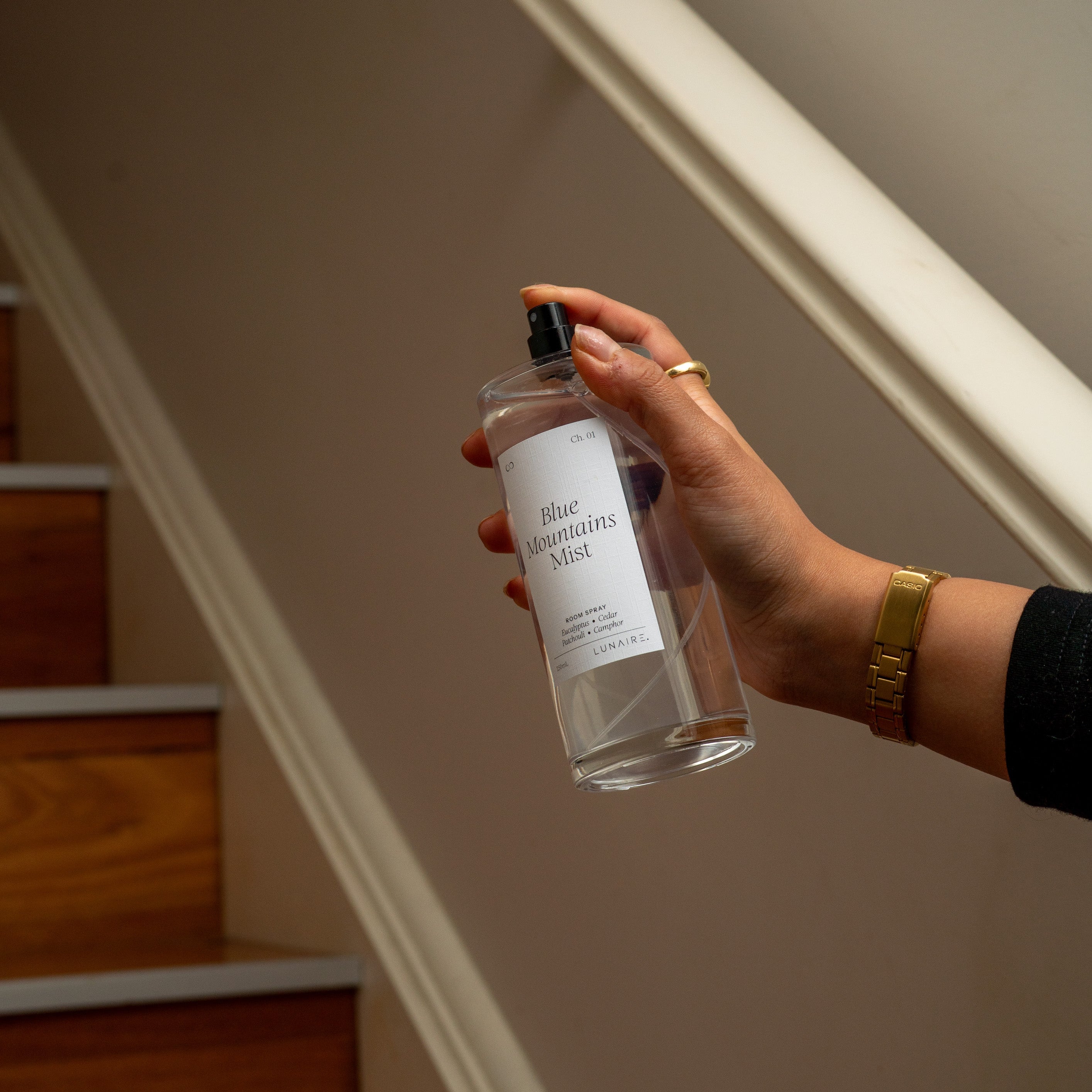
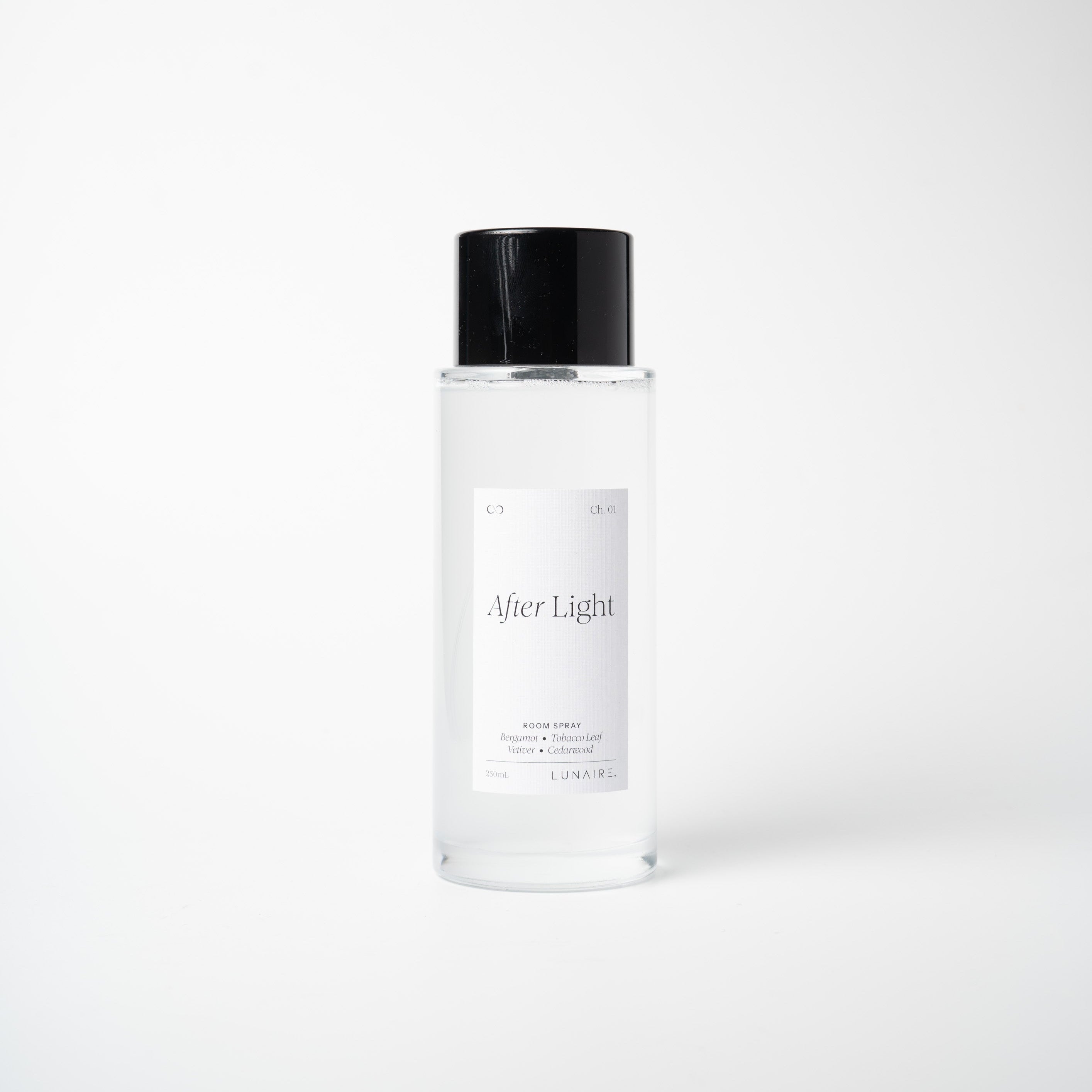
At Lunaire, our native range is where most of this guide comes from — real Australian botanicals, refillable so you're never starting from scratch. Explore the native fragrance range at lunaire.au.
Refillable vs disposable candles isn't just a sustainability debate — it's a cost one too. We ran the numbers on what a year of burning actually costs and creates in waste, and the gap is bigger than most people expect.
"Refillable vs disposable candles" sounds like a sustainability question, and it is — but it's also, quietly, a maths question. So we ran the numbers on what a typical Australian household actually spends and throws away over a year of candle burning, comparing a standard disposable habit against a refillable one.

The real scale of Australia's candle waste problem
Australians buy roughly 4 million candles a year, and the bulk of them come in single-use glass containers that can't go through kerbside recycling — the tempered glass and leftover wick metal aren't something most recycling plants are equipped to process. Multiply that out across an average household burning, say, one candle a month, and that's 12 jars a year heading to general waste, per household, indefinitely.
Refillable vs disposable candles: cost over a year
Here's the rough shape of it, based on typical Australian candle pricing:
- Disposable habit: 12 candles a year, each priced for the vessel *and* the wax every single time. You're paying for a new jar 12 times over, whether you need one or not.
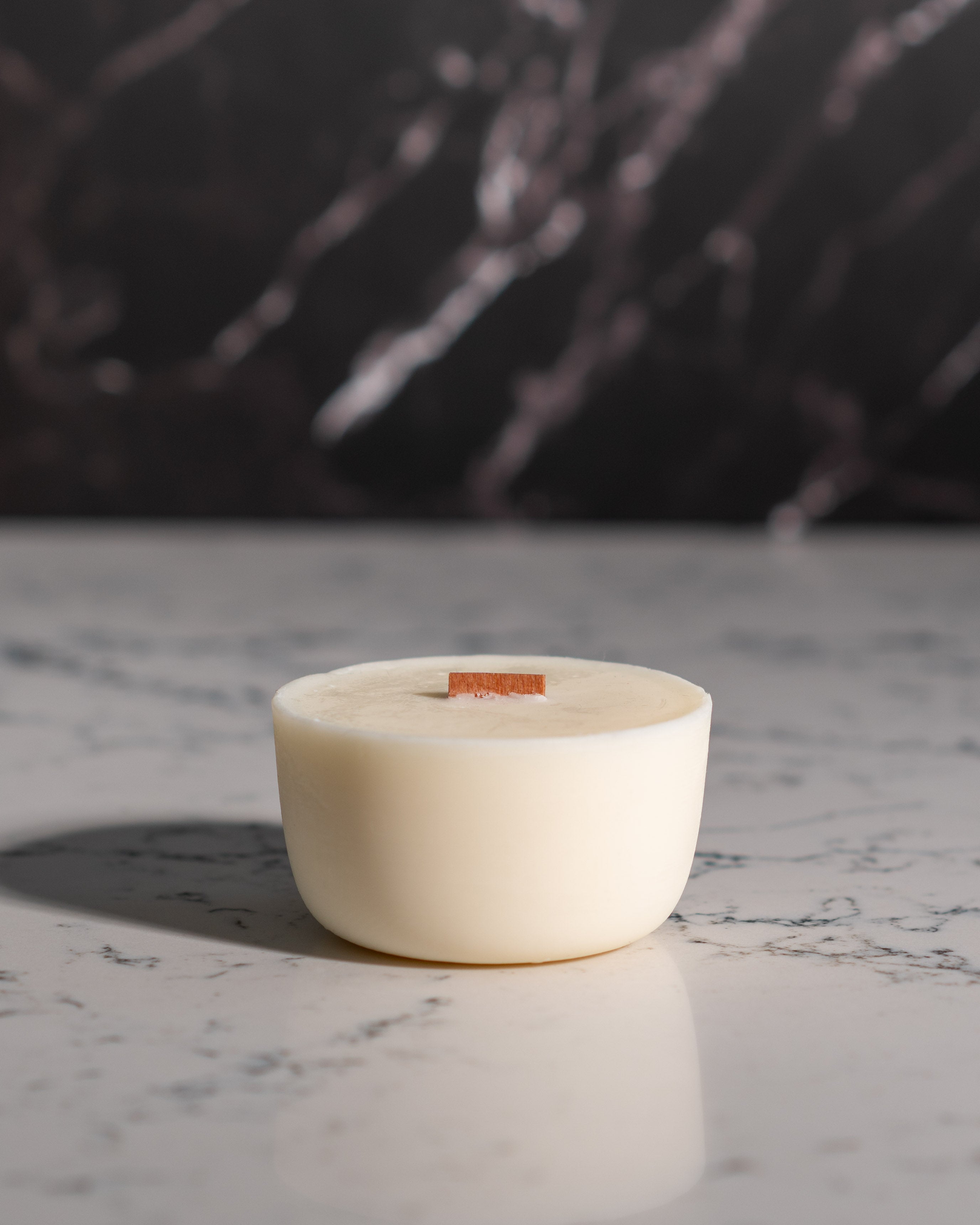
- Refillable habit: One vessel purchased once, then 11–12 refill inserts across the year — priced without the cost of a new jar baked in each time, because you're not buying one.
Refills typically cost meaningfully less than a full new candle precisely because the vessel — often the most expensive part to produce — is a one-off cost. Over a year, that gap adds up to real savings, and it compounds every year you keep using the same vessel.
Refillable vs disposable candles: waste over a year
This is where the comparison gets stark. A refillable system can cut packaging waste by somewhere in the order of 90%+ compared to buying a new vessel every time, because a refill insert is just wax and a slim compostable wrapper — no glass, no jar, no box.
Zoom out to a household burning one candle a month for five years: that's the difference between 60 jars in landfill, or one jar and 59 refills. Same amount of light, same cosy nights, a fraction of the waste.

What you're actually paying for with refillable
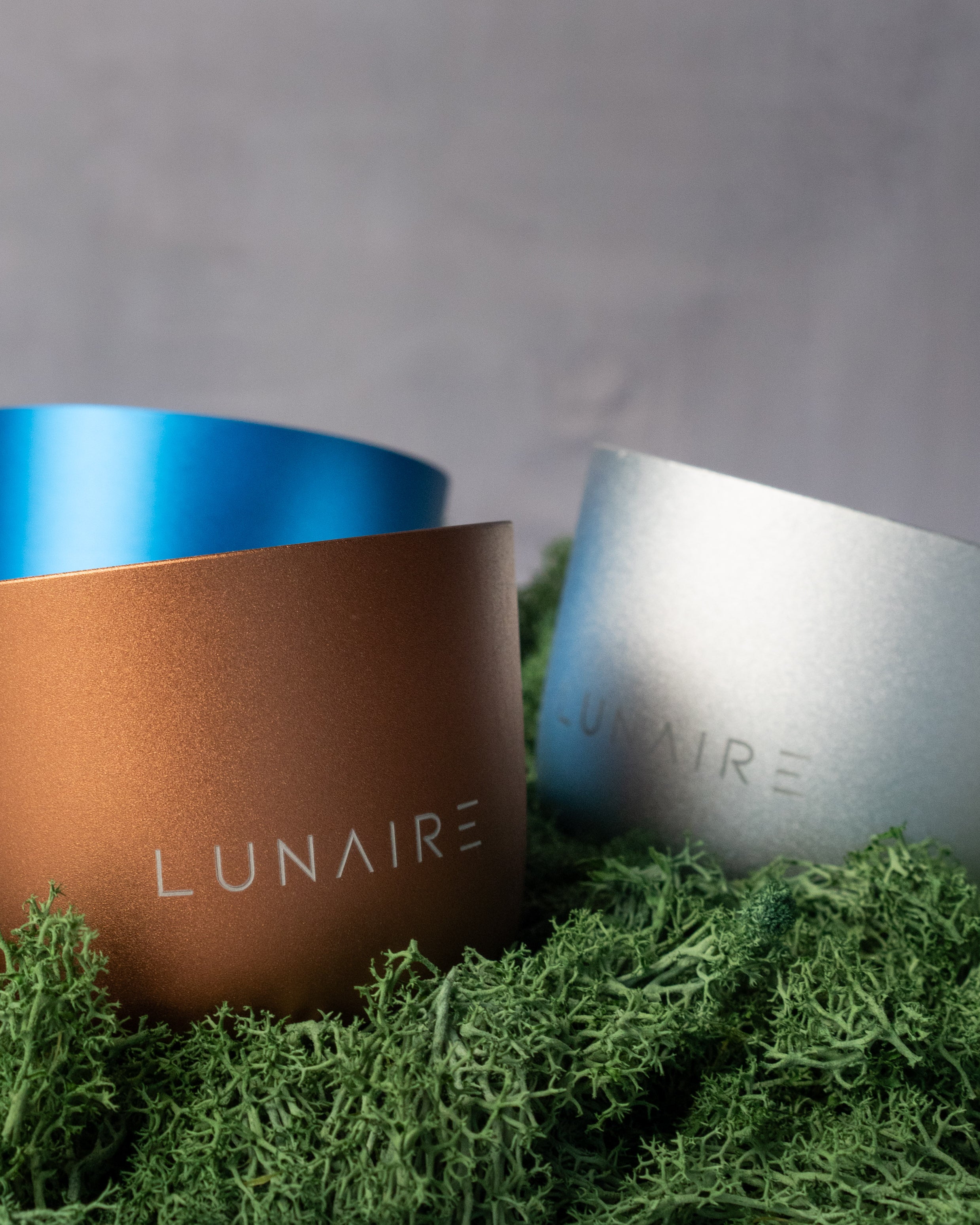
It's worth being honest about the trade-off: the first refillable vessel usually costs more upfront than a single disposable candle, because you're buying a piece worth keeping — ceramic or glass designed to be reused, not the cheapest jar that'll hold wax for one burn. The maths only works in your favour once you refill it a few times, which is exactly the point. It's built for the second, fifth and fiftieth burn, not just the first.
So which wins?
If you burn candles occasionally and don't have a strong preference on vessel, disposable is fine. But for anyone burning regularly — which, per the numbers above, is most Australian households — refillable wins on both cost and waste within the first year, and every year after that is close to pure saving. If you're just starting out and want the simplest way to begin, we've laid out a step-by-step end-of-winter refill ritual on the blog that's a good place to start.

Where these numbers come from
We've based the waste figures on Australia's roughly 4-million-candle annual market and standard tempered-glass recycling limitations, and the cost comparison on typical Australian retail pricing for vessel-plus-wax versus wax-only refills. Your own numbers will vary depending on candle size and how often you burn — but the shape of the comparison holds regardless of scale: the more you burn, the more refillable pulls ahead.
One more thing worth factoring in: soot and air quality
It's a smaller point than cost or landfill, but worth a mention — cheap disposable candles are more likely to use paraffin wax, which burns with more soot than natural soy or coconut wax blends. Refillable systems built around natural wax, like ours, tend to burn cleaner as a side effect of the switch, not just a marketing line.
What if you don't burn candles that often?
If you're an occasional burner — a handful of candles a year rather than monthly — the payback period on a refillable vessel is longer, and disposable might genuinely be the simpler choice for now. Our honest advice: refillable earns its keep once you're burning roughly six or more candles a year through one household. Below that, either option is reasonable, and it comes down to whether you'd rather keep a vessel you love than restock from scratch each time.
At Lunaire, every vessel we sell is designed to be refilled for years, not months. See the full cost breakdown and shop refills at lunaire.au.