



Everyone says refillable candles are the better option. Far fewer people show you the numbers. So we sat down and worked out what a year of burning actually costs — in dollars, in waste, and in the stuff nobody measures — for refillable vs disposable candles.
We're a refillable candle company, so you know where we land on this. That's exactly why we want to show the working rather than just assert it.
The refillable vs disposable candles argument usually gets made emotionally — jars in landfill, guilt, a stock photo of a turtle. Let's do it with numbers instead, including the places where disposable candles genuinely come out ahead.
The setup: what a year of burning actually looks like
Assume a fairly ordinary Australian household. A candle goes on maybe three evenings a week, for around two hours at a time, across roughly forty weeks of the year. Summer drops off; nobody lights a candle in a Queensland February.
That's about 240 burn hours a year. Substitute your own number if yours is different — the per-hour figures below are what actually matter.
Round one: the dollars
The disposable route
A decent 300g soy candle in a glass vessel from an Australian brand runs somewhere around $45 to $55 and gives you roughly 50 hours. Call it $50 and 50 hours.
To cover 240 hours you're buying about five candles. Roughly $250 a year, every year, and each of those five purchases includes a vessel, a lid, a box and a label you're paying for and then disposing of.
Cost per burn hour: about $1.00.
The refillable route
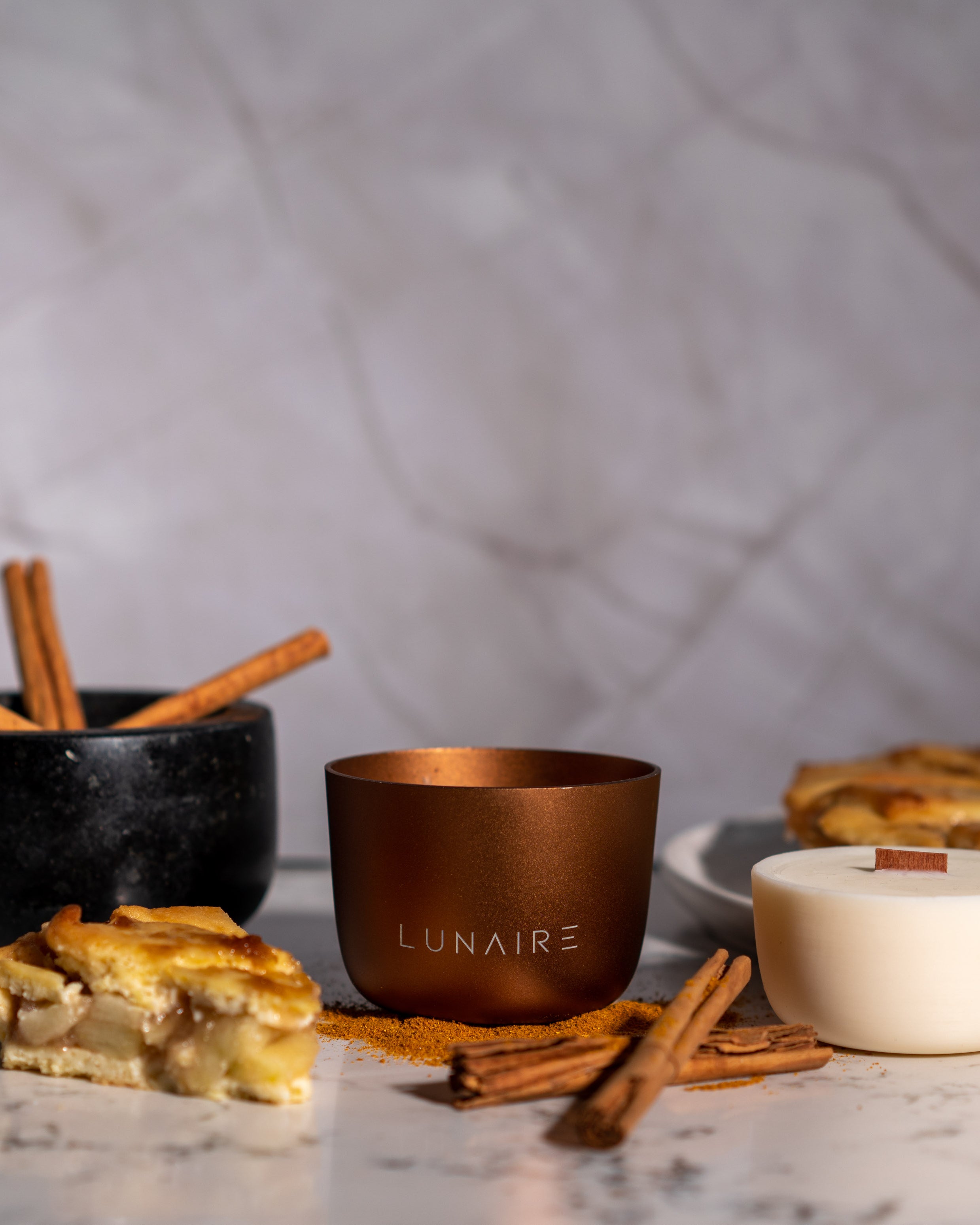
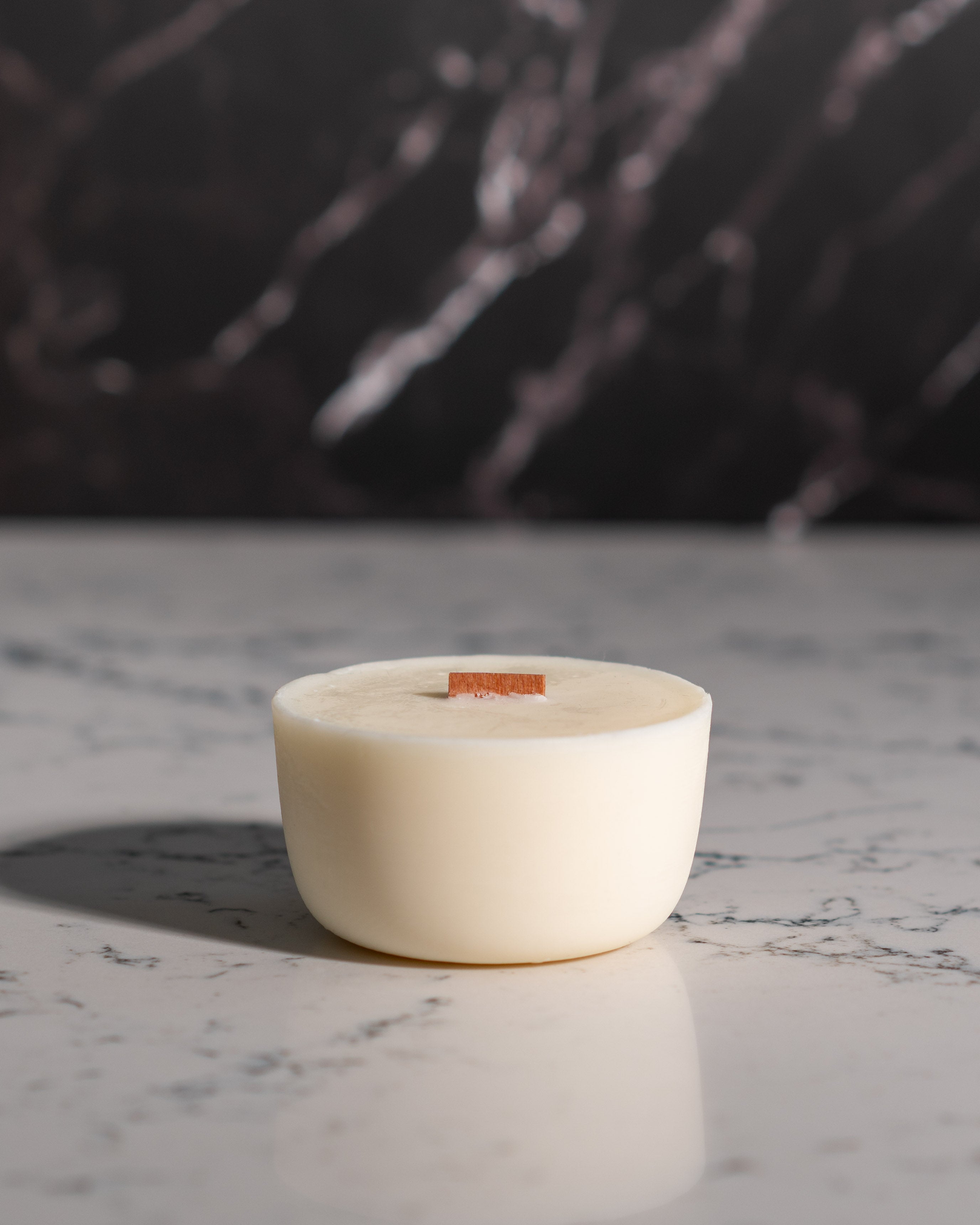
A Forever Jar is $42.95, once. An Original refill is $25.95 and runs around 30 hours. The Deluxe refill is $35.95 and runs considerably longer.
Year one on Original refills: $42.95 for the jar, plus eight refills at $25.95 — about $251. Which is, near enough, a dead heat with the disposable route.
Here's the part that matters: year two is $208, and so is every year after it. You never buy the jar again. On Deluxe refills the per-hour cost drops further still.
Cost per burn hour, ongoing: about $0.87 on Original, less on Deluxe.
The honest read on the money
Year one is a wash. Anyone telling you refillable candles will save you a fortune immediately is overselling it. The savings are real but they're cumulative — they show up in year two and compound from there. Over five years the gap is several hundred dollars, and that's before you count the twenty-five glass jars you didn't buy.
Round two: the waste
Five candles a year means five vessels a year. Over five years, twenty-five.
Candle glass is genuinely awkward to recycle. Wax residue contaminates the stream, the metal wick sustainer needs removing, and candle glass often isn't the same grade as container glass — which is why so many councils would rather you didn't put it in the yellow bin at all. Rules vary shire by shire, which is its own problem: most people simply don't know, so the jars end up in the cupboard instead.
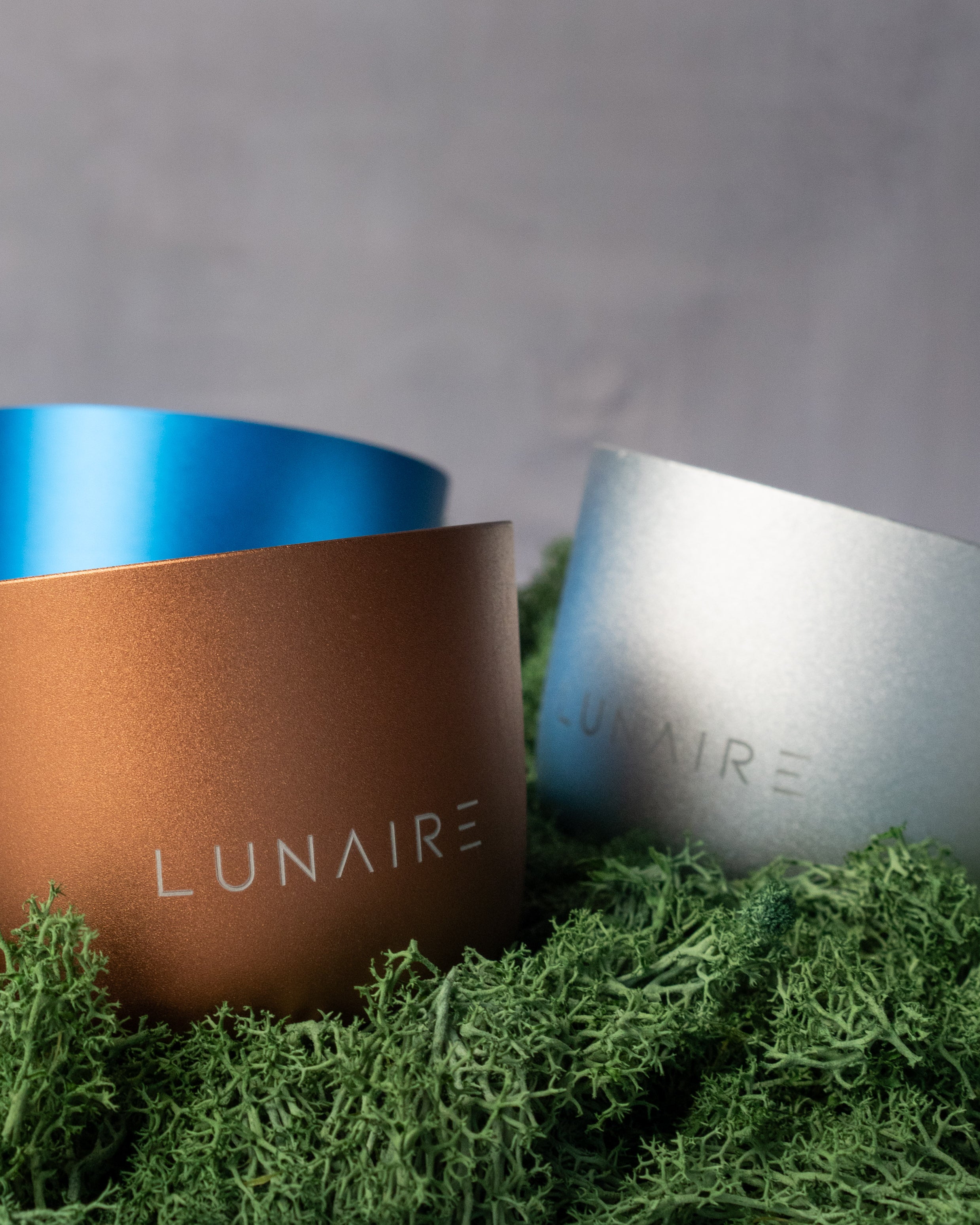
The refillable equivalent over the same five years: one jar. Aluminium, still in service, engraved if you had it done. The refill pods are the only consumable, and they're a fraction of the material by weight and volume of a glass vessel.
This is the part of the comparison that isn't close.

Round three: the thing nobody measures
Friction.
The disposable model asks something of you every six weeks: notice it's finished, decide what to do with the jar, feel mildly guilty, put it in the cupboard, repeat. It's a small tax, but you pay it constantly.
The refillable model front-loads one decision — which jar — and then removes the rest. Pod out, pod in, done. Nothing to clean, nothing to store, nothing to feel bad about.
Where disposable candles still win
Decorative and sculptural candles. A pillar, a shaped candle, a taper — these are objects, not fragrance delivery systems, and refillability isn't the point.
The honest verdict
If you light candles occasionally — a handful of times a year — disposable is fine and the maths barely moves.
If a candle is part of how your house runs, refillable wins on every axis that matters, and it isn't particularly close after year one. Same ritual. Same burn. Roughly $40 a year back in your pocket, twenty-four fewer glass jars in five years, and a jar you'll still be using when the sums have long since stopped being interesting.
To make sure you're actually getting the full burn out of every refill, our candle care guide covers tunnelling, soot and the six rules that fix most problems.

Run the numbers on your own house, then start your Forever Jar at lunaire.au — one jar, a lifetime of scents.