


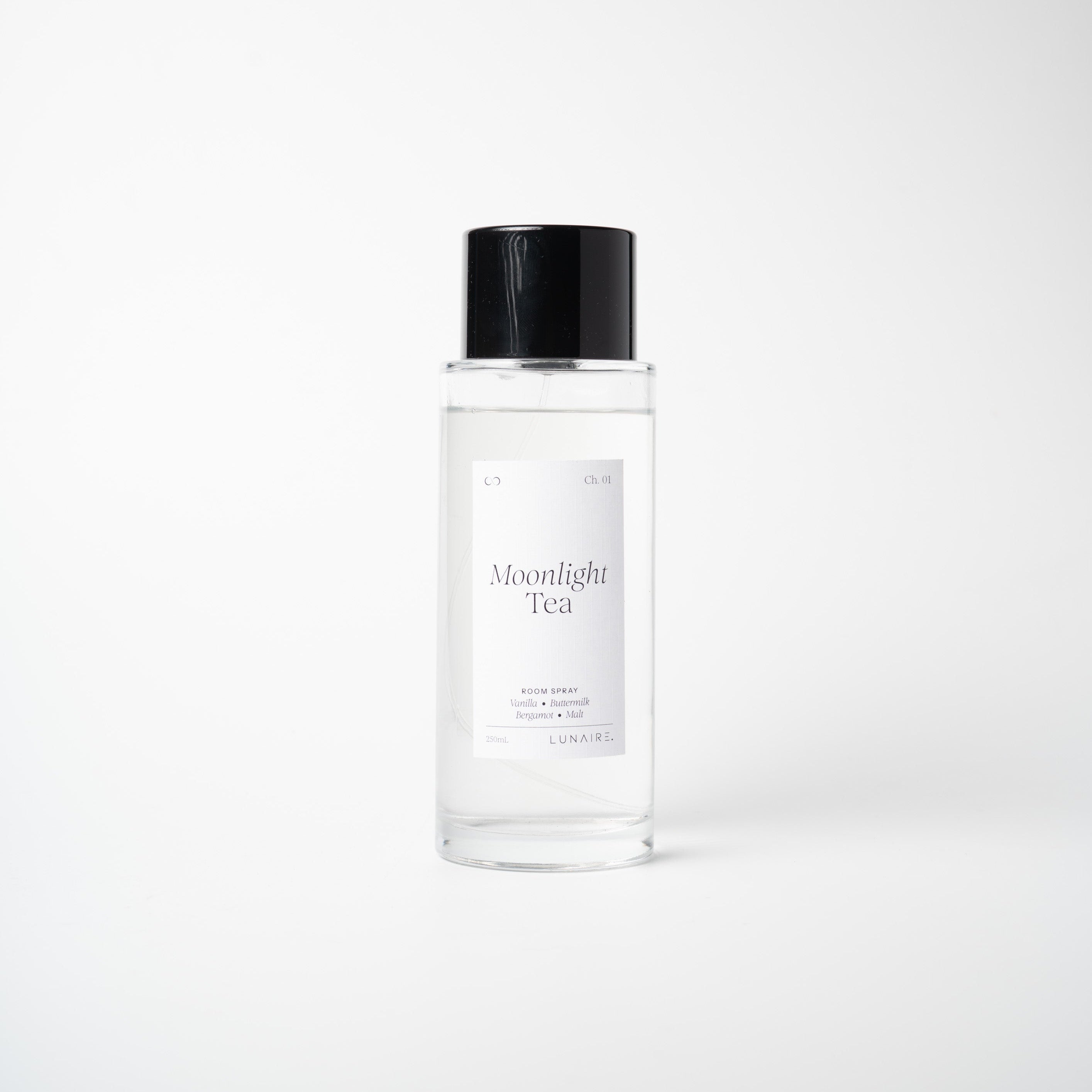
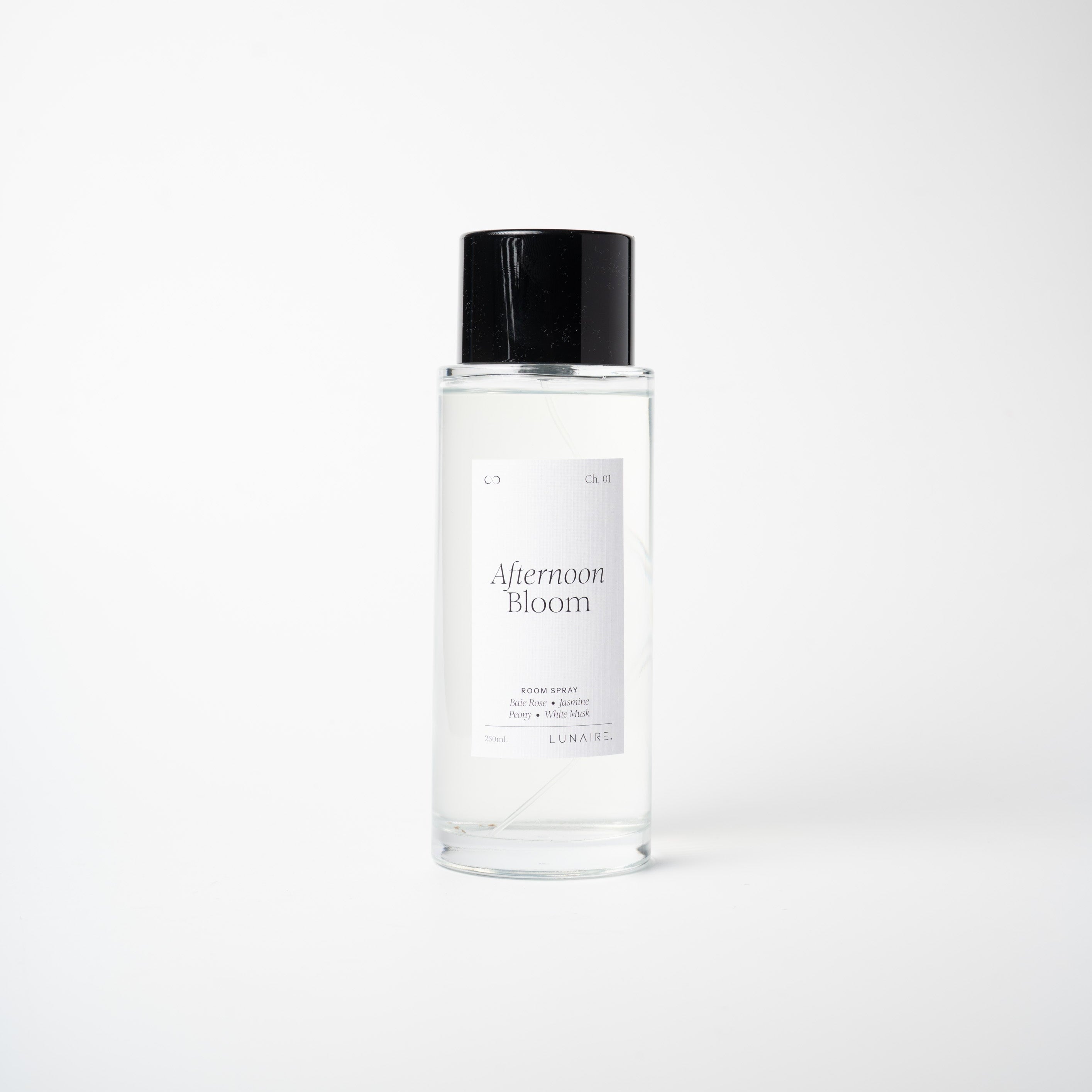
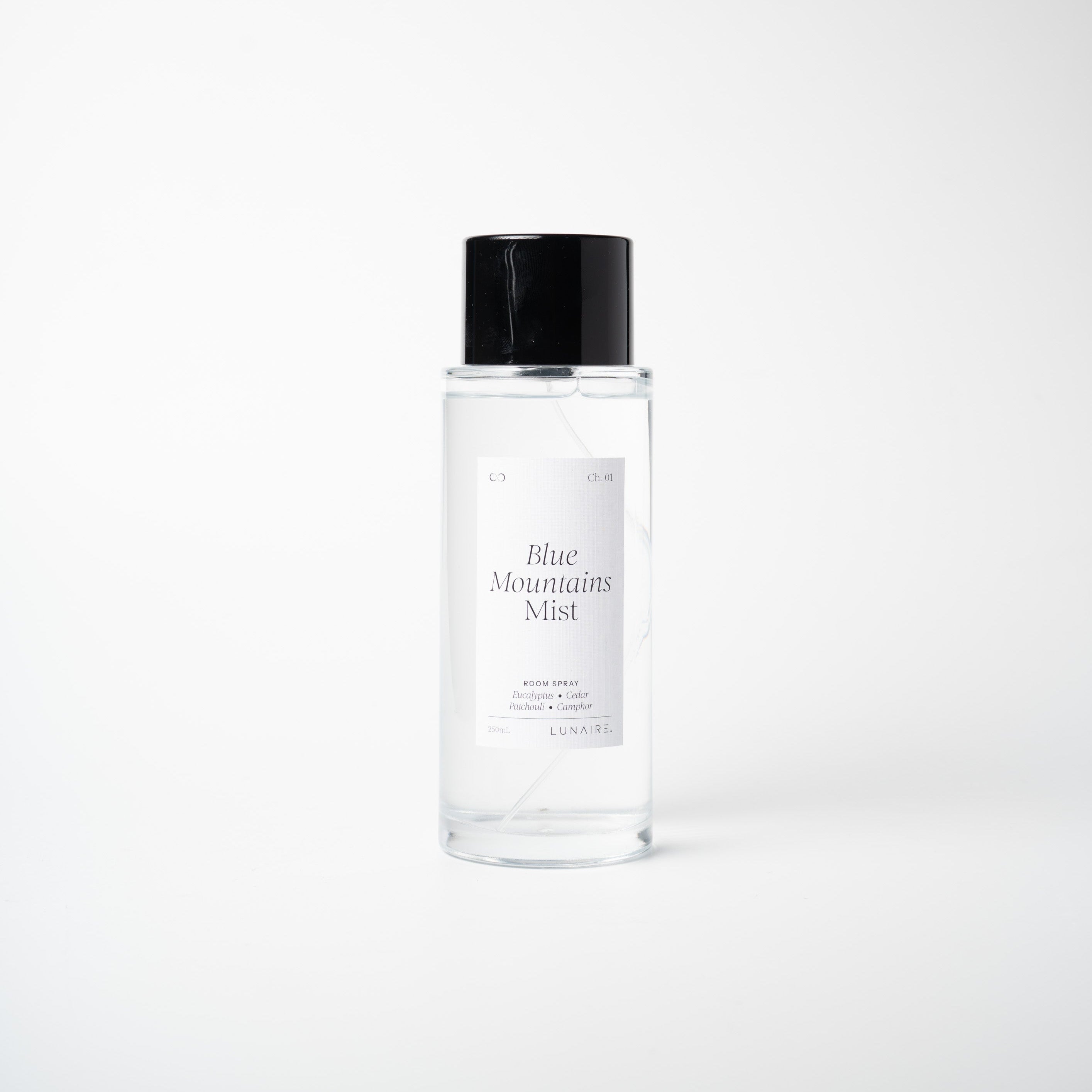
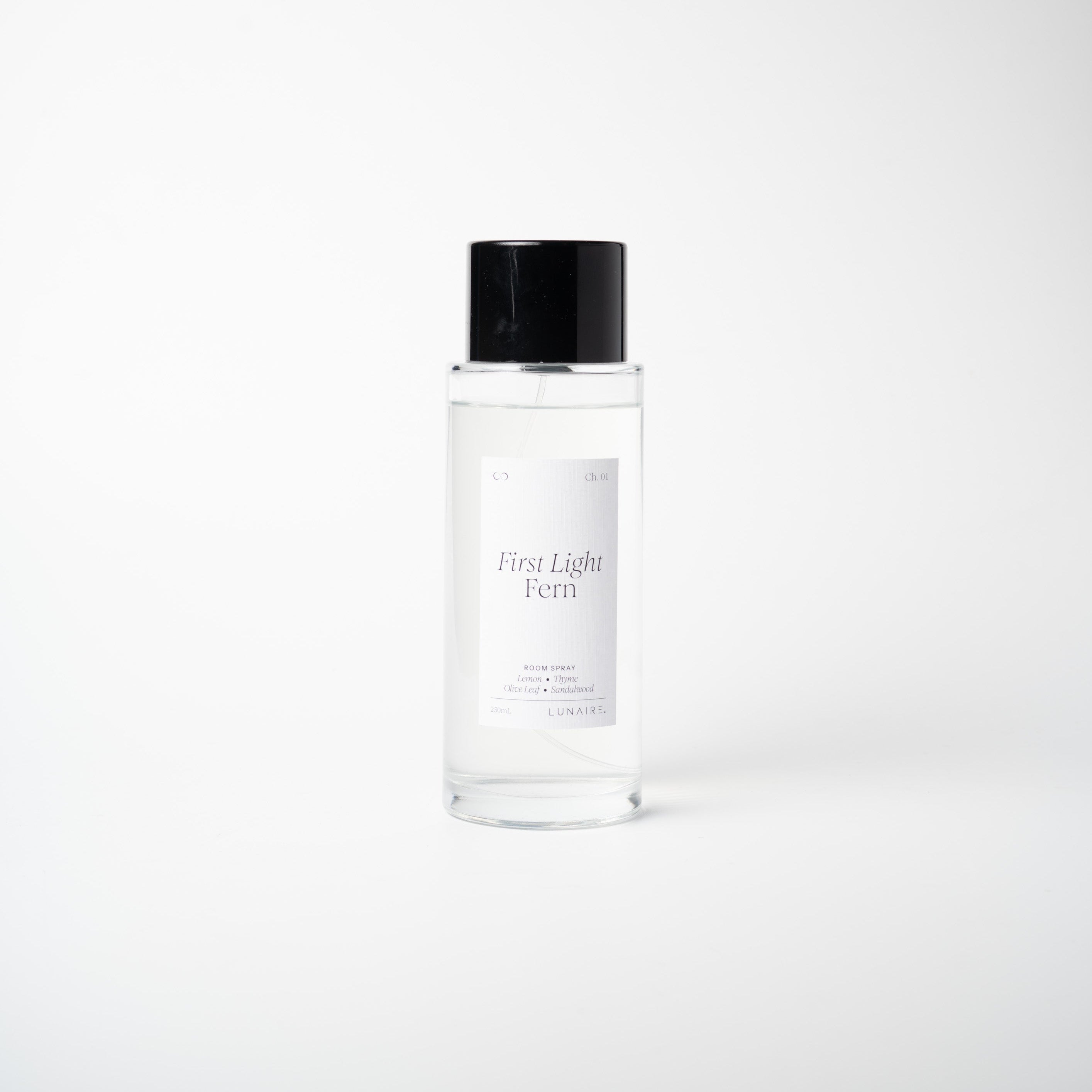

Every guide to Australian scent starts in a eucalypt forest. But most of us grew up on the coast, and it has a fragrance language of its own — salt, tea tree, banksia nectar, dry grass and hot sand. Here's an Australian native fragrance guide to the half of the country that smells like the sea.
Ask anyone to describe what Australia smells like and you'll get a gum tree. Fair enough — eucalypt is the national signature and we've written about it ourselves.
But most Australians didn't grow up in a forest. They grew up within an hour of a beach, and the coast has a fragrance vocabulary that's completely distinct from the bush: drier, more mineral, saltier, with a sweetness underneath that has nothing to do with flowers. This is the Australian native fragrance guide for that half of the country.
Why coastal scent is harder to capture than forest
Forest scent is made of things you can distil. Leaves, bark, resin, oil — press them, steam them, and you have a material to work with.
Coastal scent is mostly made of things you can't. Salt has no smell. Air has no smell. What you're actually smelling on a headland is a mix of airborne minerals, marine algae compounds, sun-heated vegetation and dust — a composition rather than an ingredient.
Which means every coastal fragrance ever made is an interpretation. The honest ones say so.

The coastal register, note by note
Salt air — and why most "ocean" candles smell wrong
Here's the thing nobody tells you. The overwhelming majority of marine and "sea breeze" fragrances on the market are built around a single synthetic material discovered in the 1960s, which smells clean and watery with a distinct melon edge. It defined an entire era of aquatic perfumery in the nineties and it's still everywhere.
It does not smell like the Australian ocean. Real sea air is sharper, more mineral, and carries a faint sulphurous note from marine algae — the smell people describe as "the sea" is partly a compound produced by phytoplankton. It's bracing rather than fresh-laundry clean.
So when a candle smells like melon and clean linen and calls itself Ocean, that's why. Not a fault, exactly. Just not the coast.
Tea tree
Melaleuca grows in coastal wetlands right down the eastern seaboard and it's the most recognisably Australian coastal note there is — camphorous, medicinal, green, with a eucalypt-adjacent sharpness that's softer and slightly sweeter.
It has a strong association problem: most people meet it in antiseptic, not perfume. Used lightly it reads as clean coastal air. Used heavily it reads as a first aid kit.
Coastal banksia
The sleeper. Banksia integrifolia flowers along the coast and the nectar is genuinely sweet — honeyed, faintly waxy, with a dry pollen quality behind it.
It's the note that stops a coastal fragrance being cold. Salt and tea tree alone are austere; a banksia-style honey accord underneath is what makes it feel like a warm afternoon rather than a windy one.
Dry grass and hot sand
The most underrated part of the Australian coastal smell, and the one most likely to trigger a memory.
Sun-baked grass gives off a hay-like sweetness driven by coumarin — the same family of compound that makes tonka bean smell the way it does. If you've ever wondered why our Lavender Fields (Lavender + Tonka) feels more like an Australian summer than a French one, that's why. The tonka is doing dry-grass work.
Hot sand adds a mineral, almost dusty warmth that's very hard to render and very obvious when it's missing.
Driftwood and coastal resin
Not the rich, oily woods of a forest. Coastal wood is salt-stripped, pale, dry and slightly resinous — closer to weathered timber than to cedar. Earth (Teak + Neroli) sits nearest to this in our range: teak gives the dry, sun-bleached timber character and the neroli lifts it with a bright, faintly bitter citrus that suits the setting.

The scent memory question
There's a reason coastal scents hit harder than they should.
Smell is the only sense with a direct line to the parts of the brain that handle emotion and memory — the signal reaches them before it's been processed and labelled. That's why a smell can return you to a place instantly and completely in a way a photograph can't, and why the reaction arrives as a feeling before you've identified what you're smelling.
For anyone who spent childhood summers on an Australian beach, the coastal register is loaded. Sunscreen, salt, hot vinyl car seats, dry grass. It's the most efficient shortcut to a specific summer that exists, which is worth knowing when you're choosing what to burn in January.
Building a coastal scent at home
We don't make a literal beach candle, and we're not going to pretend a eucalypt scent is one. But the coastal register can be built from what's here:
- The dry, bright top — Saturn (Pink Champagne + Grapefruit) for the sharp mineral lift, or Fig & Melon Jam if you want the melon-marine character deliberately.
- The warm middle — Coconut Mango Sorbet does the sunscreen-and-summer association more honestly than most "beach" candles manage.
- The base — Earth (Teak + Neroli) for salt-stripped timber.
- Outdoors — Citronella Outdoor (Palmarosa + Citronella) for the verandah, which is where most coastal evenings actually happen.
If you want the forest counterpart, our guide to Lunaire's Australian native fragrances covers the eucalypt side of the country.
Go and check the reference
Same advice as always: the source material is free. Stand on a headland in a decent wind and pay attention to what's actually there — the mineral edge, the dry grass, the honey underneath.
Then decide whether the candle in your house is telling the truth.
Build your own coastal edit — explore Saturn, Earth, Coconut Mango Sorbet and Citronella Outdoor at lunaire.au.