


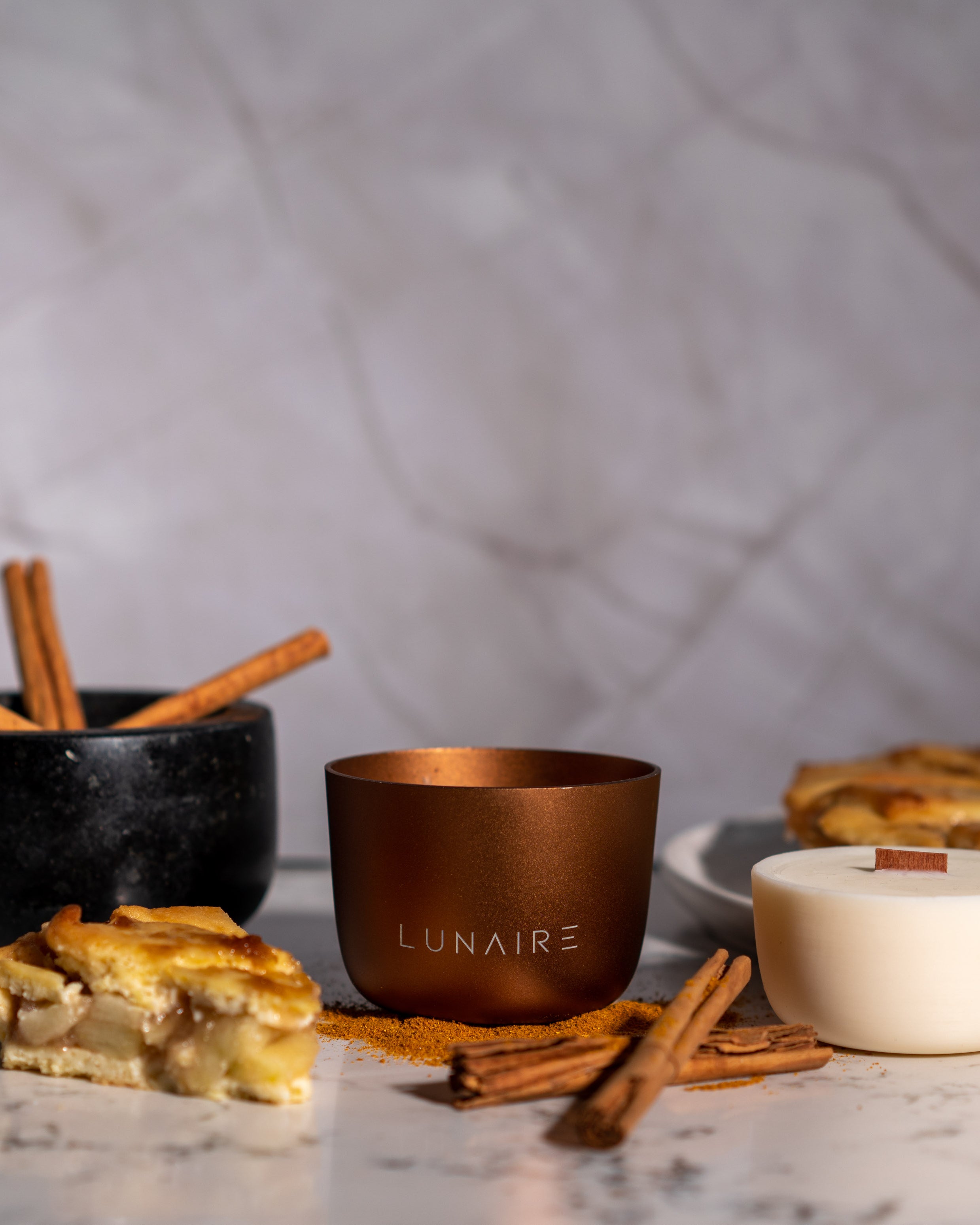
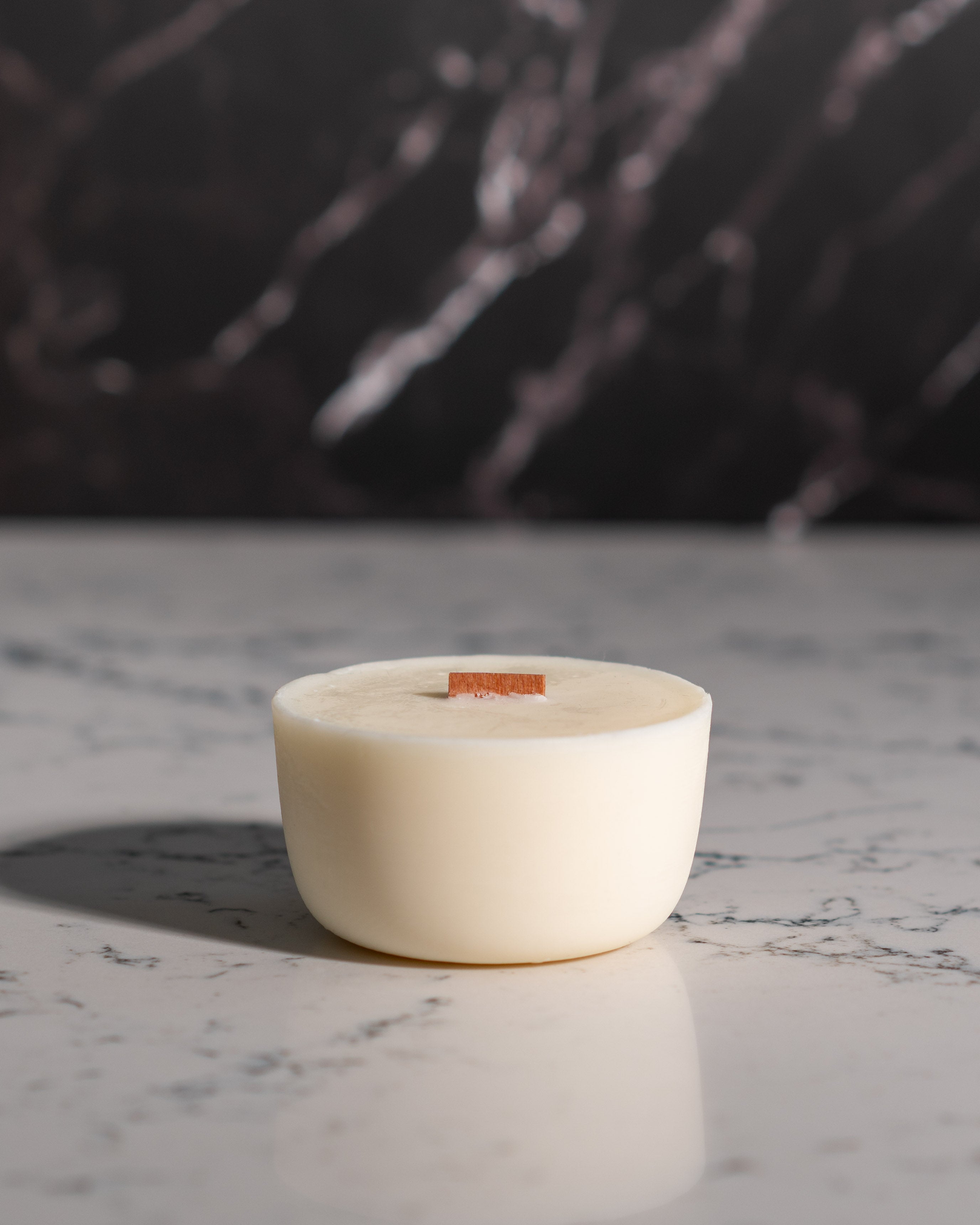
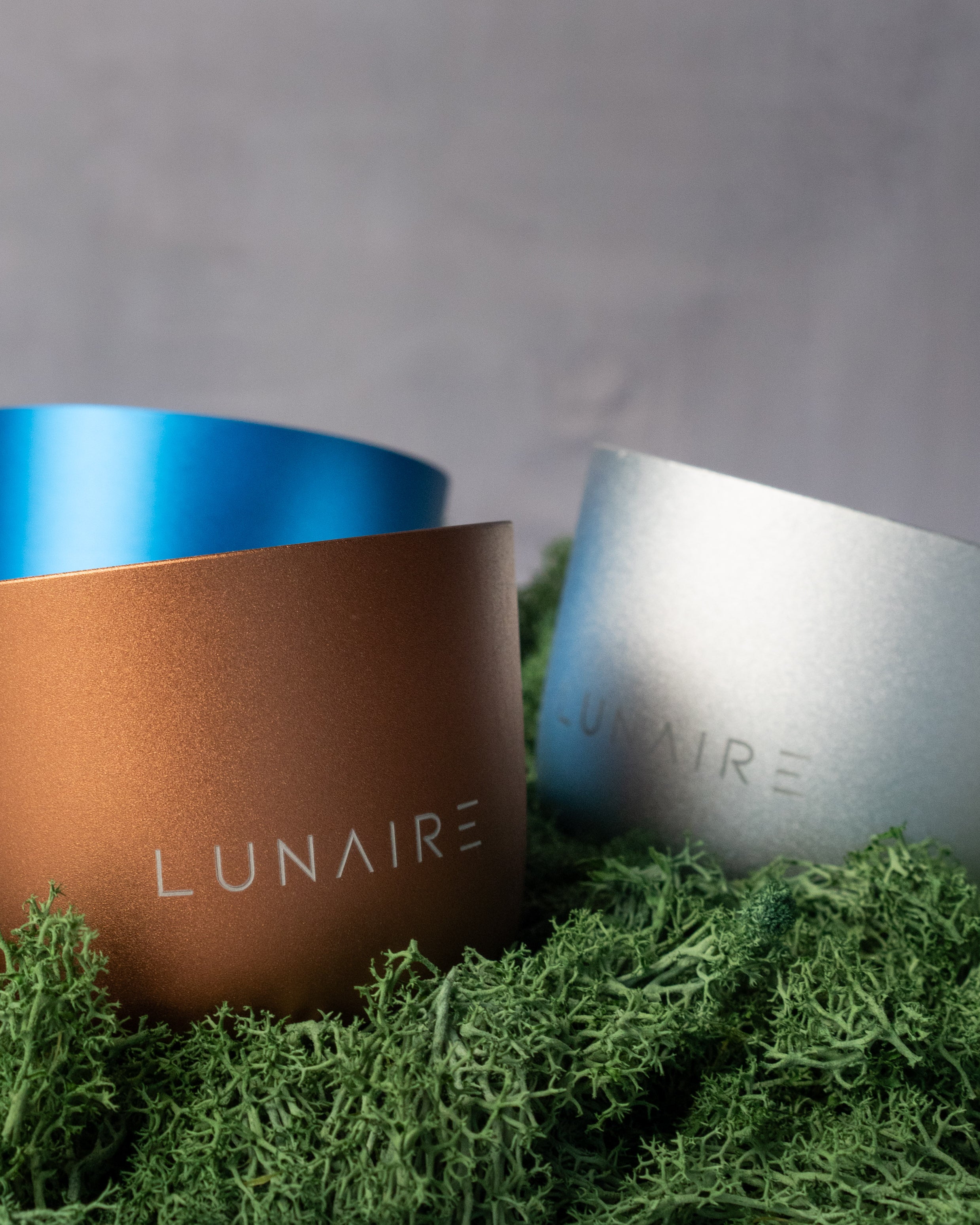

Some occasions don't have a gift aisle. A loss, a new baby, a marriage ending, someone starting over at forty. This is a guide to personalised candle gifts in Australia for the moments that matter most and are hardest to shop for — including what to engrave, and what not to.
Gifting is easy when there's an aisle for it. Birthdays, Christmas, weddings — the format is understood, and getting it slightly wrong costs you nothing.
Then there are the other occasions. A friend loses a parent. Someone you love has a baby and disappears for six months. A marriage ends. Someone walks away from a career at forty-three to start again. These are the moments people most want to mark and least know how to shop for, and they're the ones where a bad gift genuinely stings.
Personalised candle gifts have quietly become the Australian answer to a lot of these, and it isn't sentimentality. It's that they do something most gifts can't.
Why a candle works when words don't
A candle asks nothing of the person receiving it. There's no thank-you note implied, nothing to display, nothing to perform gratitude about. It sits there until they want it.
It's also one of the few objects with a built-in ritual attached. Lighting something is a small deliberate act — a way of marking time or thinking about a person that doesn't require saying anything out loud. For someone who has run out of words, an object that doesn't need any is a relief.
The personalisation is what separates it from a supermarket gesture. An engraved name or a short line turns a generic object into something meant specifically for them.
Sympathy and loss
This is the hardest one and the one most often got wrong.
What to engrave
Keep it short and keep it plain. The strongest options are the simplest:
- The name of the person who died. Nothing else. It's the thing the grieving person most wants said out loud and the thing everyone around them is avoiding.
- A name and two dates, if you know the family would want that.
- A single quiet word. "Remembering." "Always." Restraint reads as respect.

What to avoid
Anything that instructs them how to feel. Anything with "at peace", "in a better place", or a sentiment about time healing. And anything that centres you rather than them.
Two practical notes. Send it a few weeks after, not in the first week — the first week is flowers and casseroles and nobody can take anything in. And don't attach a timeline or an expectation to it. The gift is the gift.
A new baby
The gifting here skews overwhelmingly to the baby, and the person who most needs something is the one holding it at 3am.
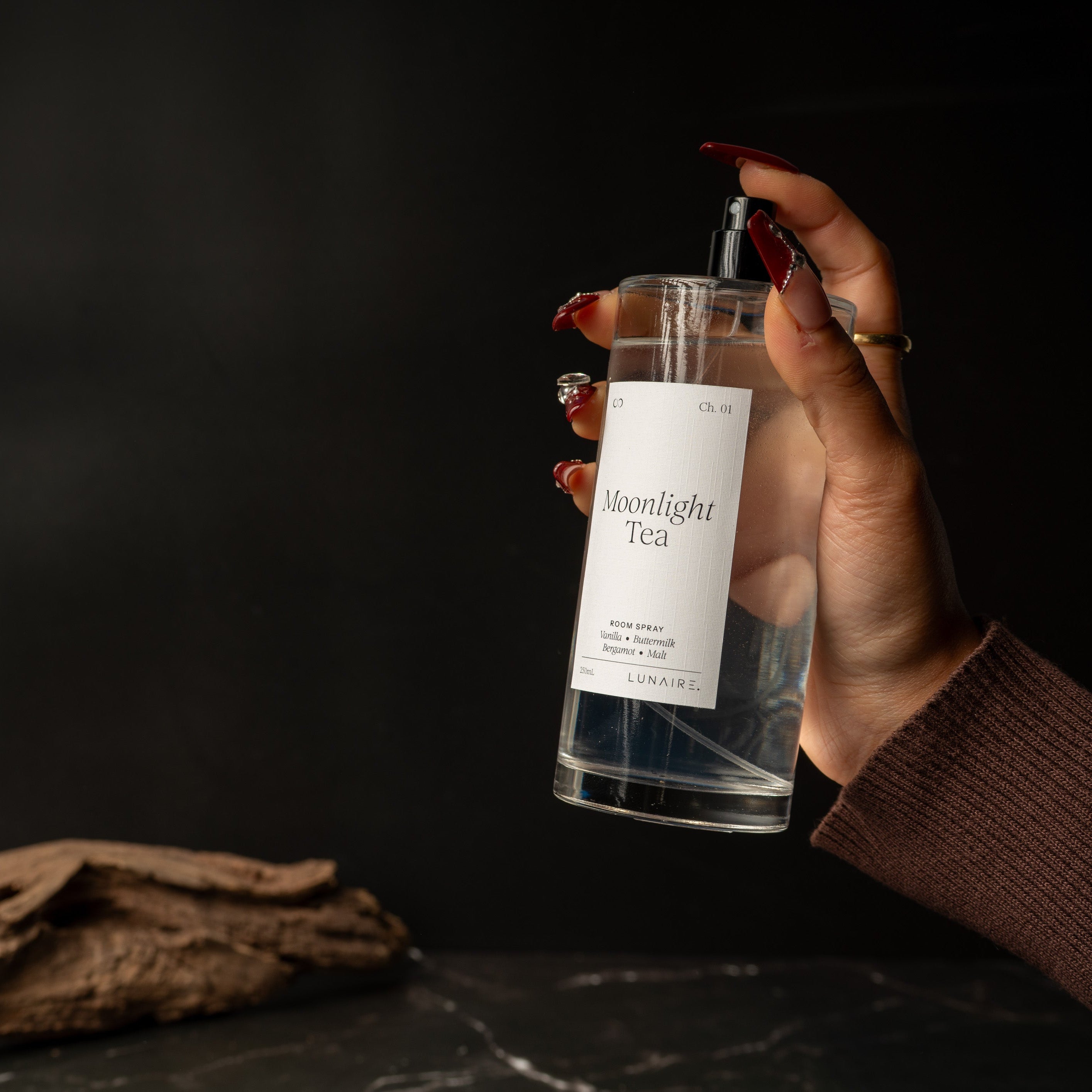
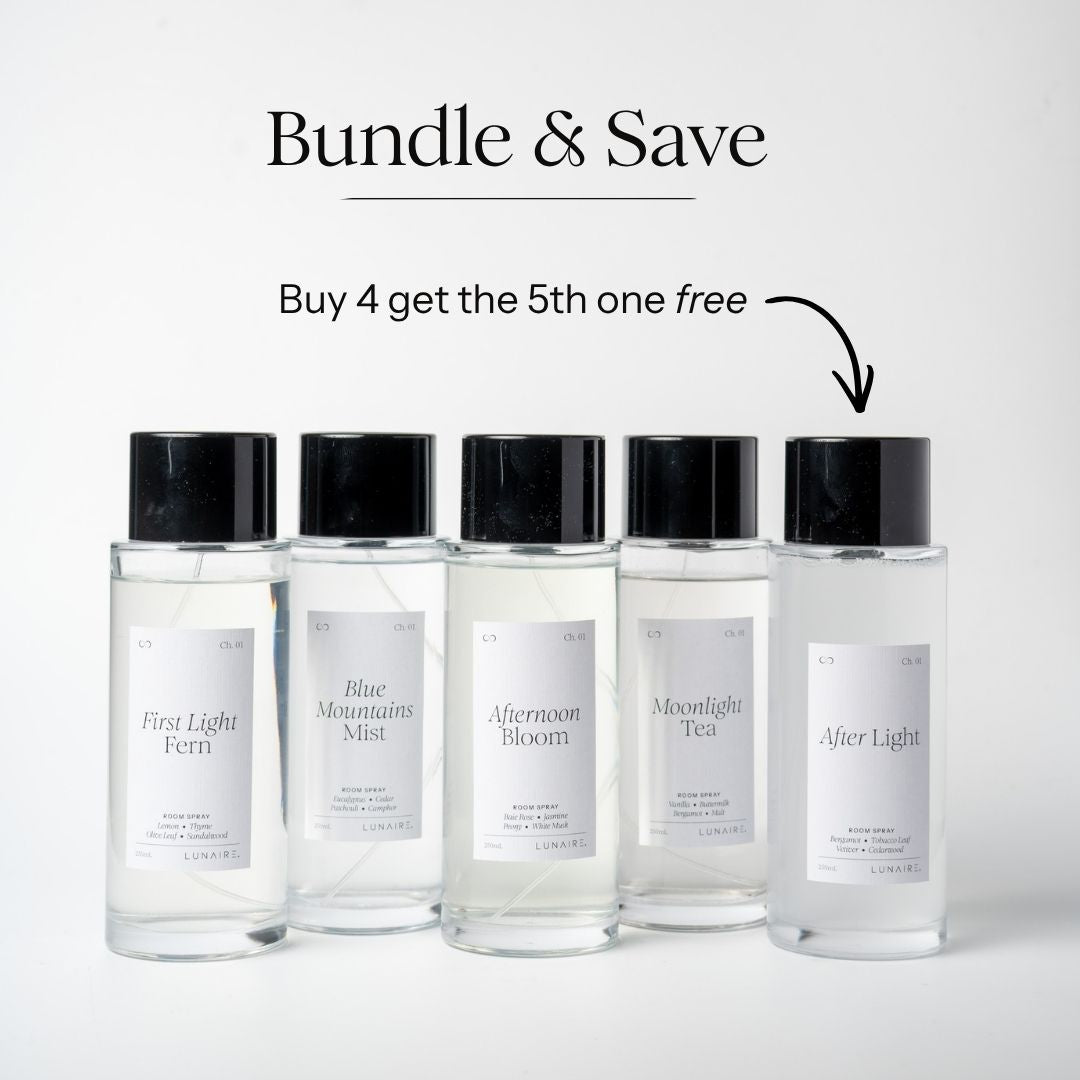
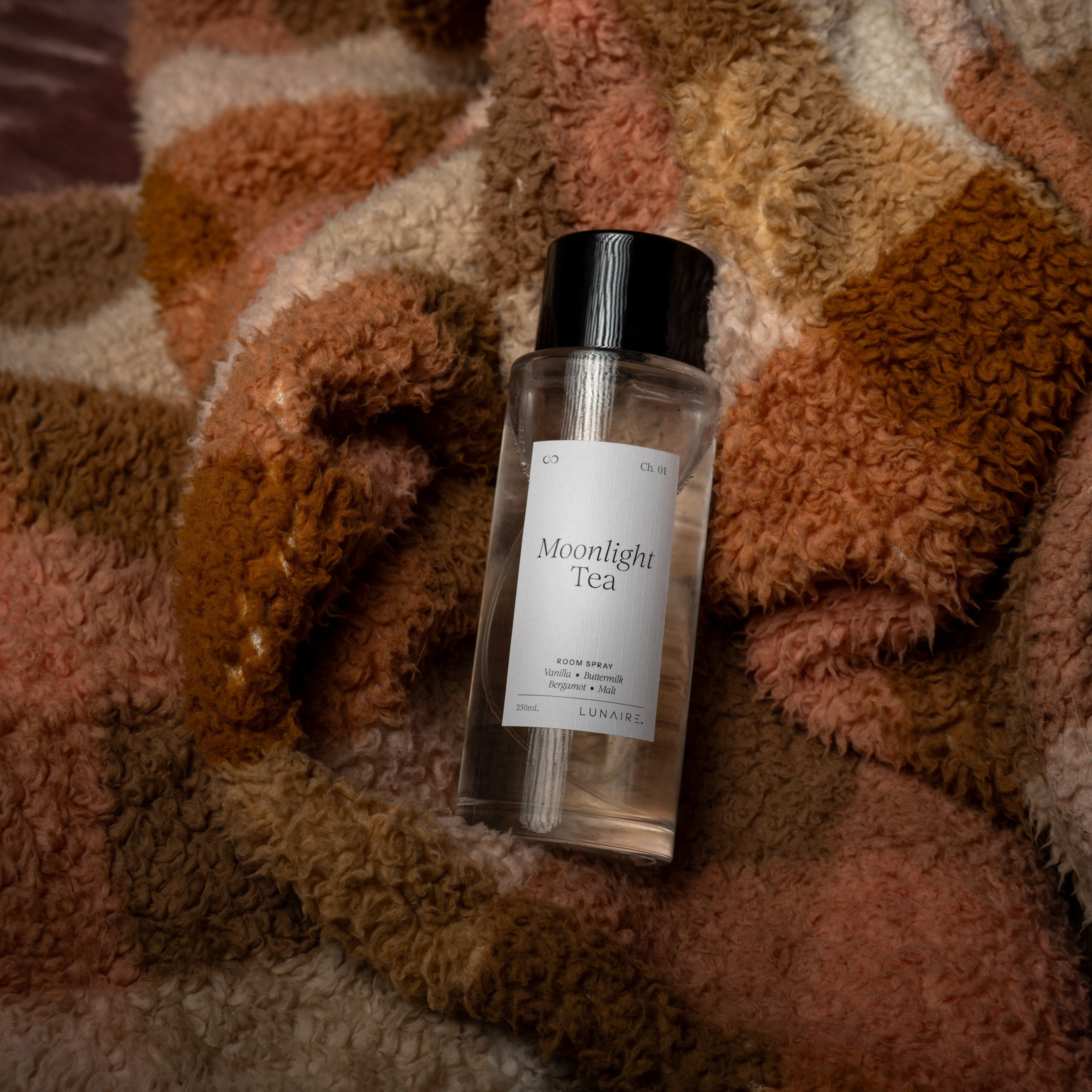
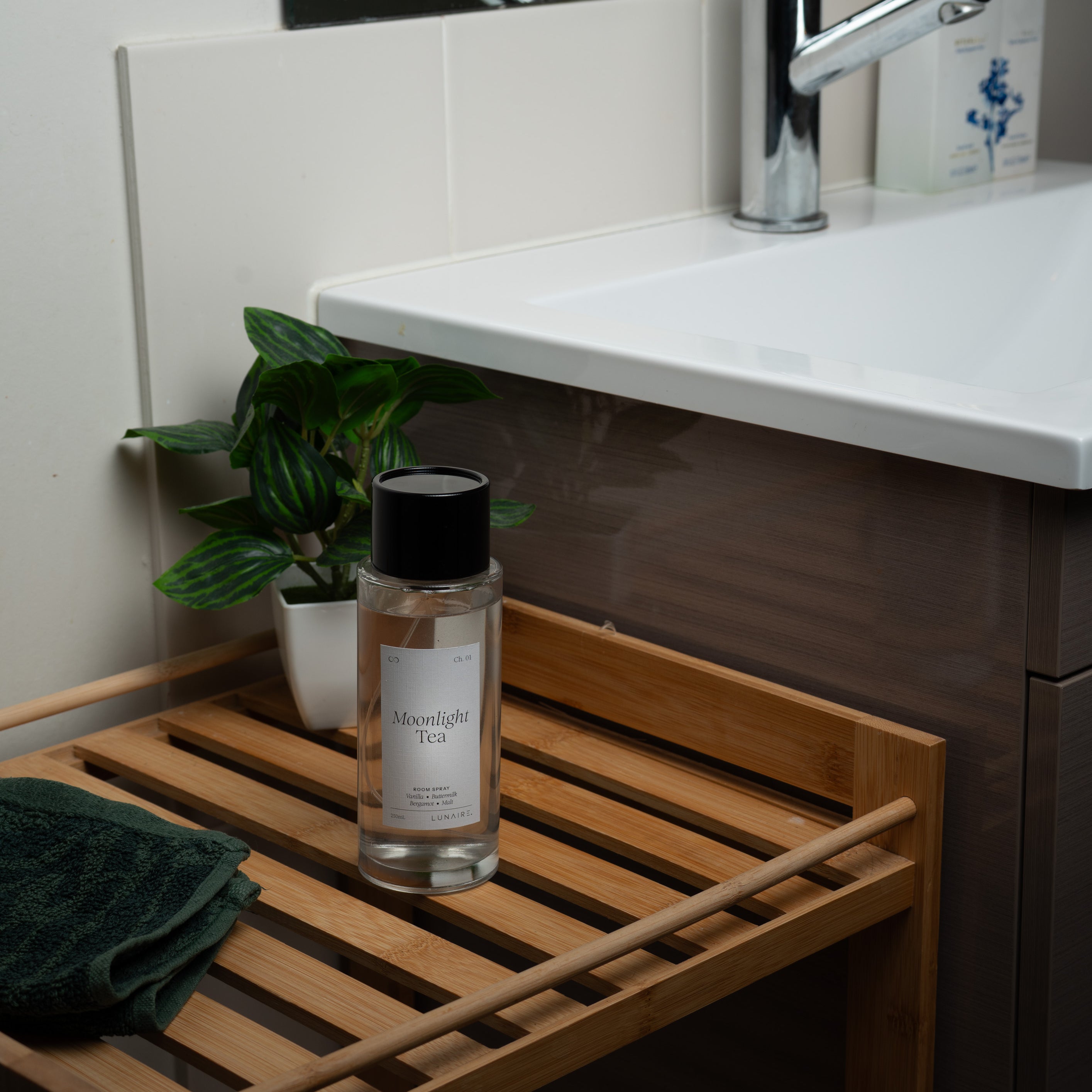
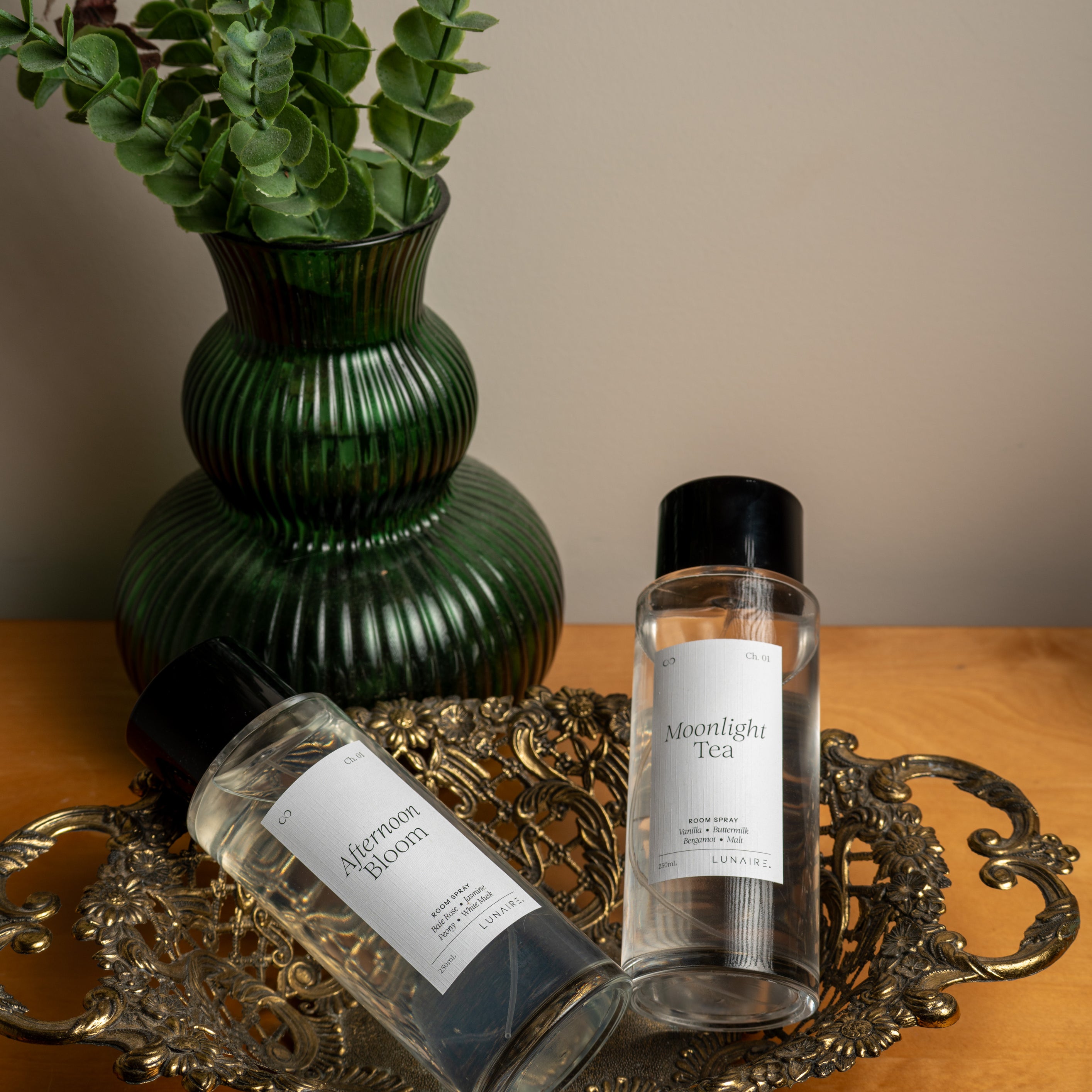
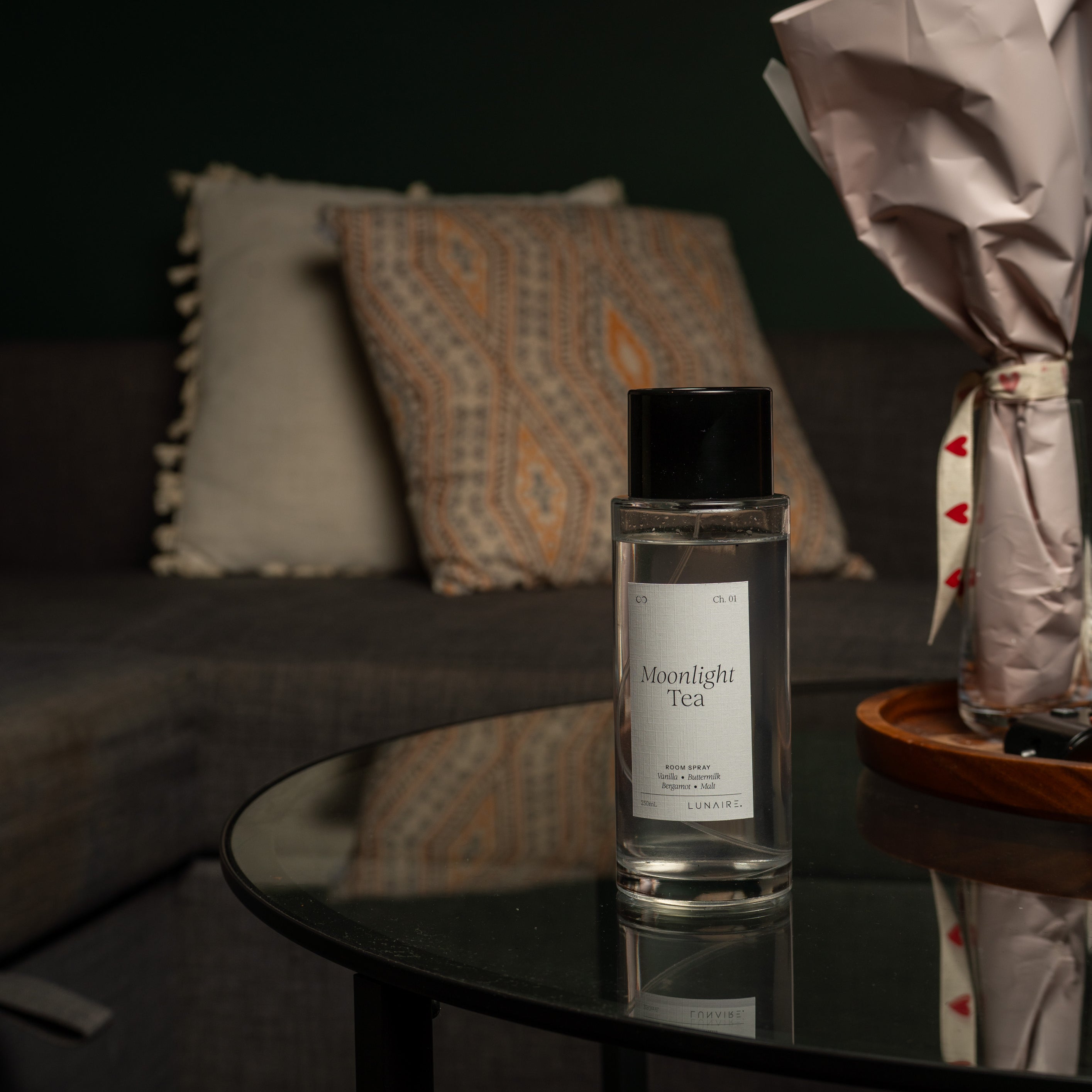
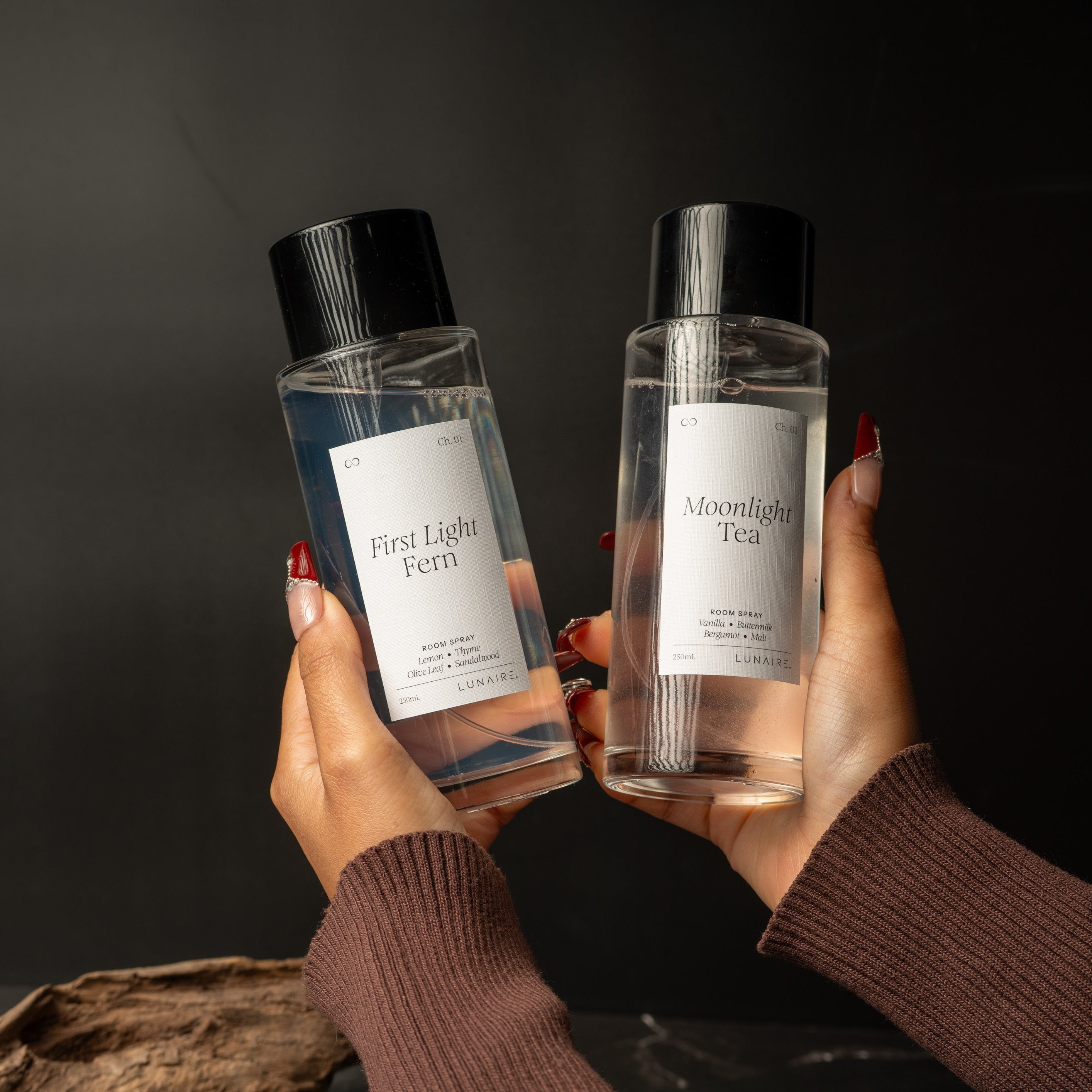
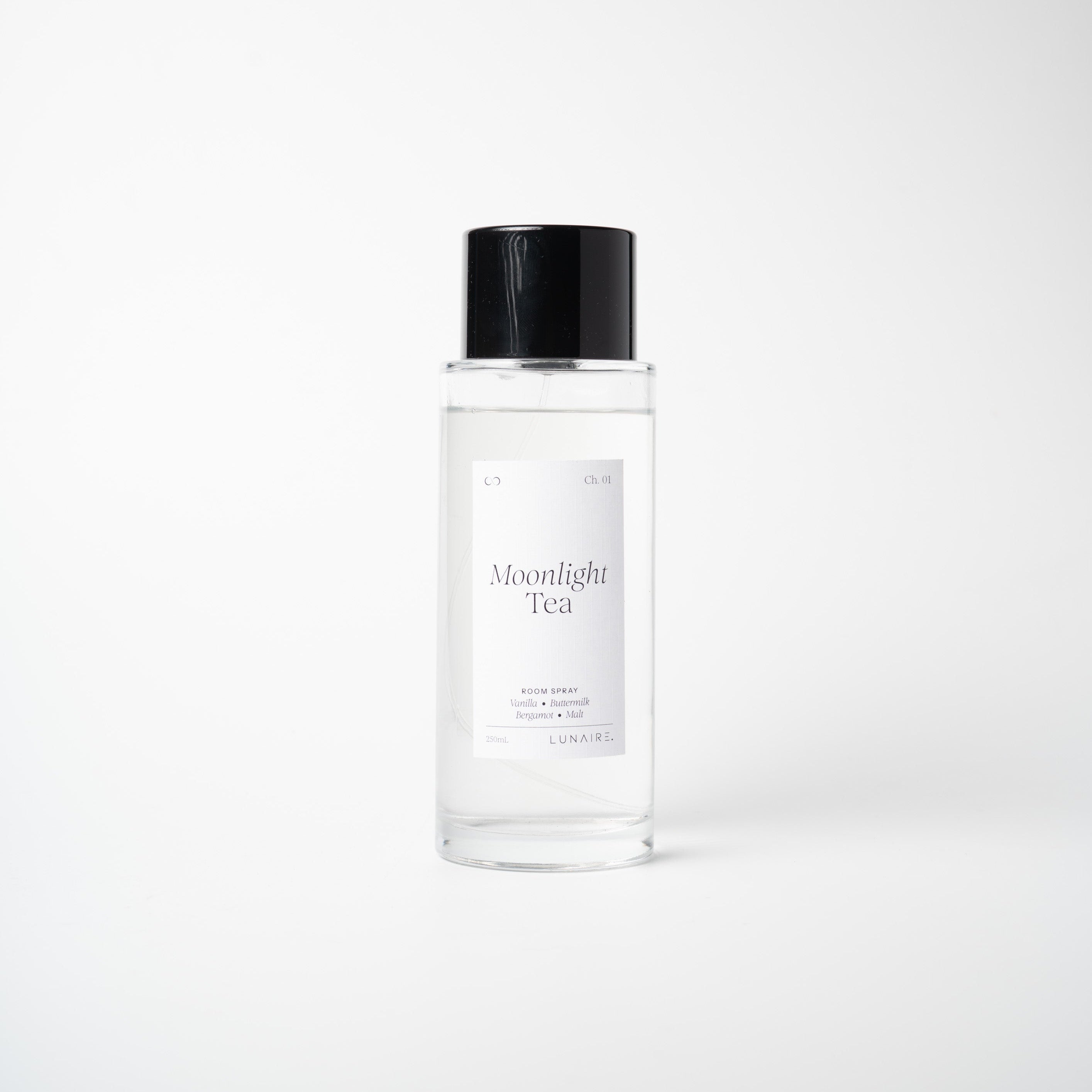
Engrave the parent's name, not the baby's. A calm, low-sweetness scent — Moonlight Tea (Vanilla + Bergamot) or Lavender Fields (Lavender + Tonka) — reads as "this is for you" in a house full of things that aren't. Skip anything sharp or heavily citrus; new parents are sleeping in fragments and the room needs to be restful.
A fresh start
Divorce, a move after a long relationship, the first place someone has lived alone in fifteen years. There's no established gift for this and it's badly needed.
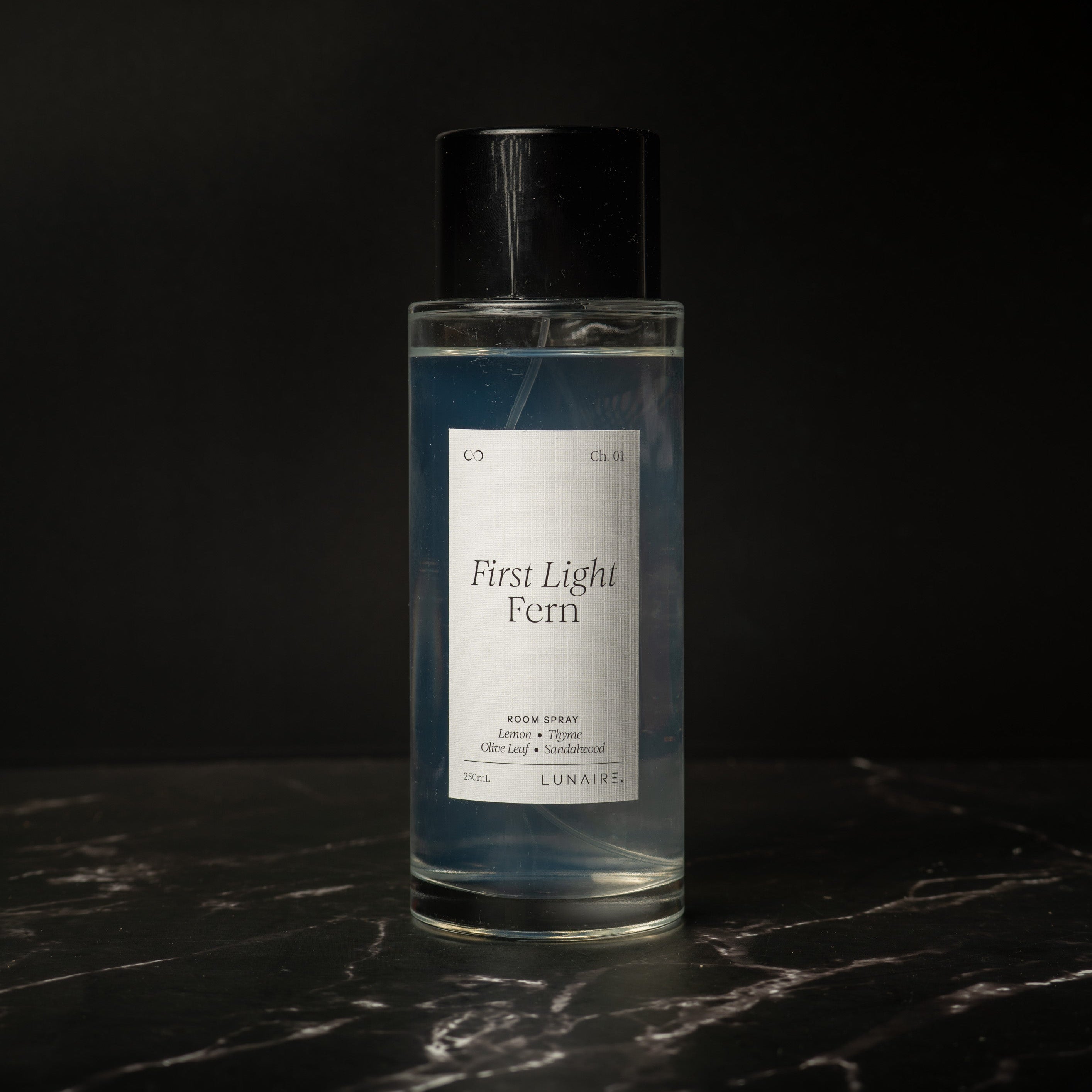
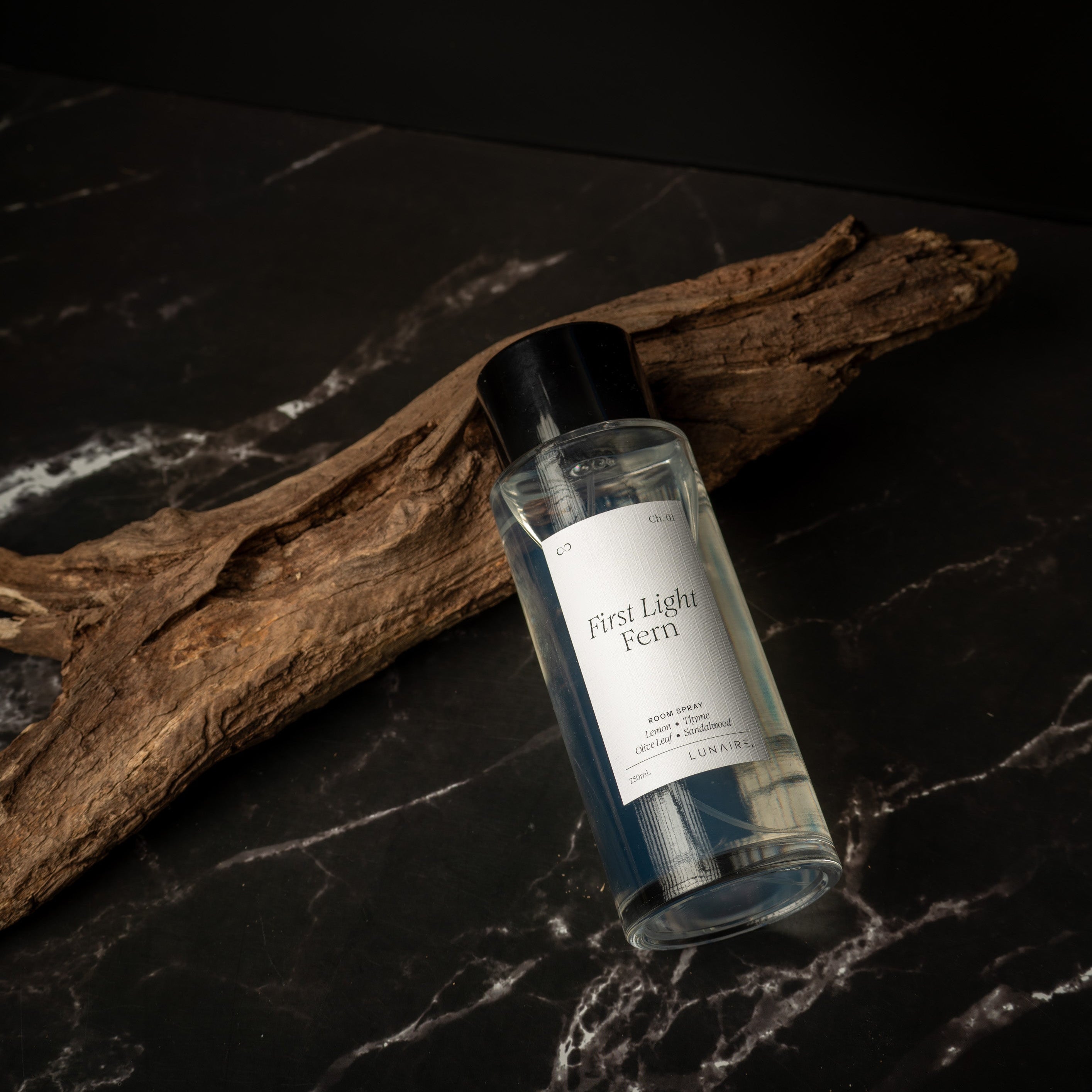
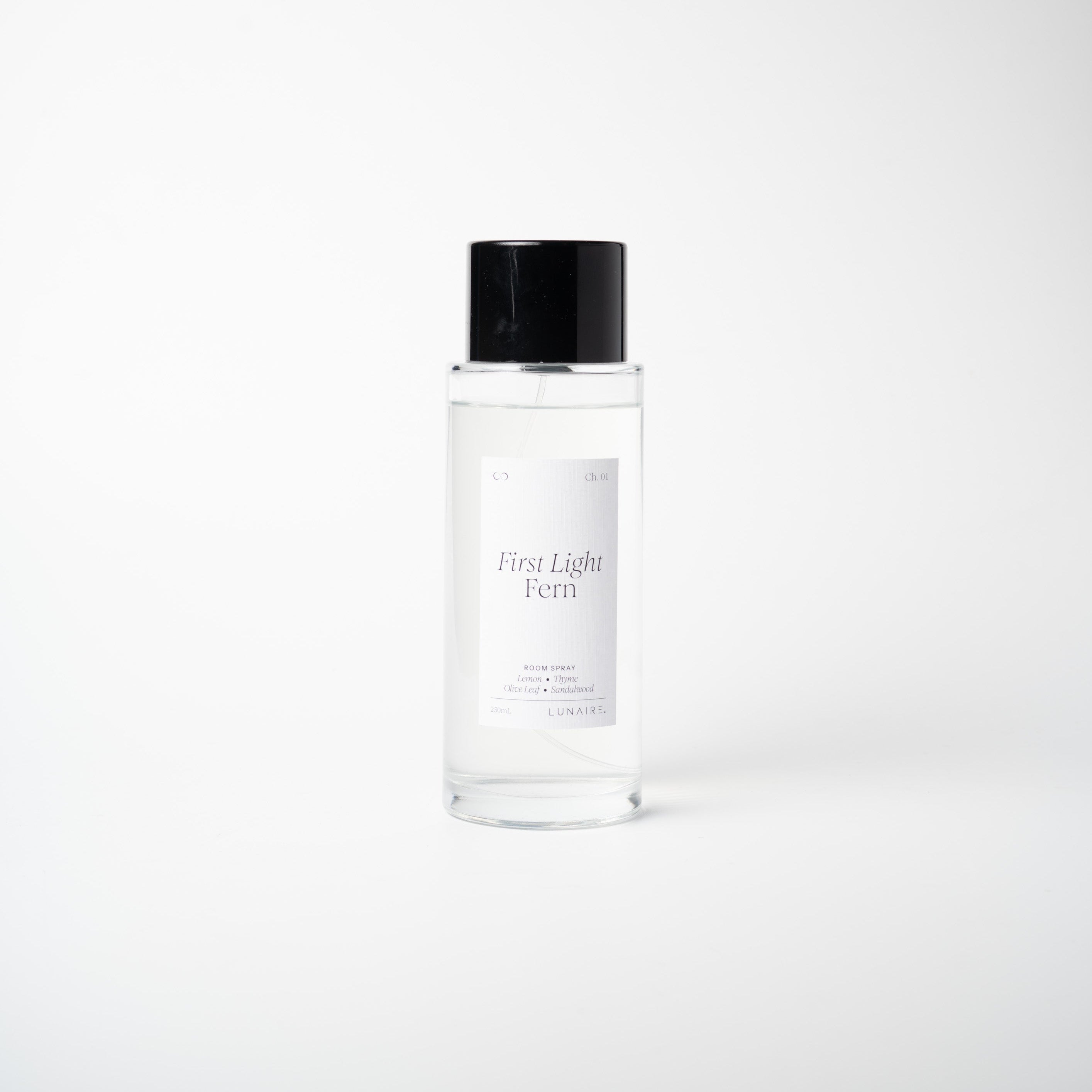
A Forever Jar for a new home works precisely because it's permanent and it's theirs. Engrave something forward-looking rather than commemorative — "Home", a new address, a date that marks the beginning rather than the ending. Pair it with a clean, bright scent: First Light Fern (Thyme + Olive) or Saturn (Pink Champagne + Grapefruit).
The milestones nobody buys gifts for
The Australian gifting calendar covers about six occasions and ignores most of what people actually go through.
- Leaving a job to build something of their own. We have a particular soft spot for this one. Engrave the date they handed in the notice.
- Finishing a degree at an age nobody expected.
- A move interstate, especially the ones made alone.
- An empty nest — the week after the last one leaves, not the day.
- A friendship anniversary. Undervalued and disproportionately well received.

The common thread: these are all moments where somebody did something hard and nobody sent a card.
The person who has everything
The classic gifting problem, and personalisation is the entire answer. Someone with a full house doesn't need another object — but they don't have one with their own name cut into it.
If you're genuinely stuck on their taste, an Affirmation Jar carries an engraved line rather than a label, or hand over the choice entirely with a gift card and let them build it themselves.
For the more conventional occasions — weddings, bridal parties and guest favours — our spring wedding guide to personalised candle gifts covers engraving and timing in detail.
How to write the card
The gift does the object. The card does the feeling, and this is where people freeze and default to something printed.
Three lines that work in almost any of the situations above:
- "I'm not going to pretend I know what to say. I'm here."
- "Thinking of you. No reply needed."
- "For whenever you want it."
That last one is the most useful sentence in gifting. It removes the obligation entirely, which for someone in the middle of something hard is the actual present.
Get it slightly wrong and send it anyway
The most common outcome in all of this isn't the wrong gift. It's no gift, because somebody spent three weeks trying to find the perfect one and the moment passed.
Send the imperfect thing. Nobody has ever resented being thought of.
Engrave a Forever Jar for the moment that matters at lunaire.au — a name, a date, or a single word.