



Client gifts get decided in September and October, then panic-ordered in December. If you're the person holding that list this year, here's how to choose sustainable candle gifts that land well, survive a procurement conversation, and don't quietly end up in a drawer.
Every year, somewhere around mid-December, a lot of Australian businesses do the same thing: realise the client gifts haven't been sorted, and buy whatever can arrive in four days.
The people who get it right are doing the work now. September and October is when corporate gifting actually gets decided — before the lead times close, before the good options sell through, and while there's still room to do something considered rather than something available.
If that list has landed on your desk, this is the practical version.

The corporate gift problem, stated plainly
Corporate gifts fail in a way personal gifts don't. The recipient didn't choose you, doesn't necessarily want a relationship with your brand, and has probably received four other gifts that week.
So the bar isn't "is this nice". The bar is: would they have bought this for themselves? Almost nothing that arrives with a logo on it clears that bar, which is why so much corporate gifting ends up in the bottom drawer, the office kitchen, or a re-gifting pile.
What corporate recipients actually keep
Useful beats branded
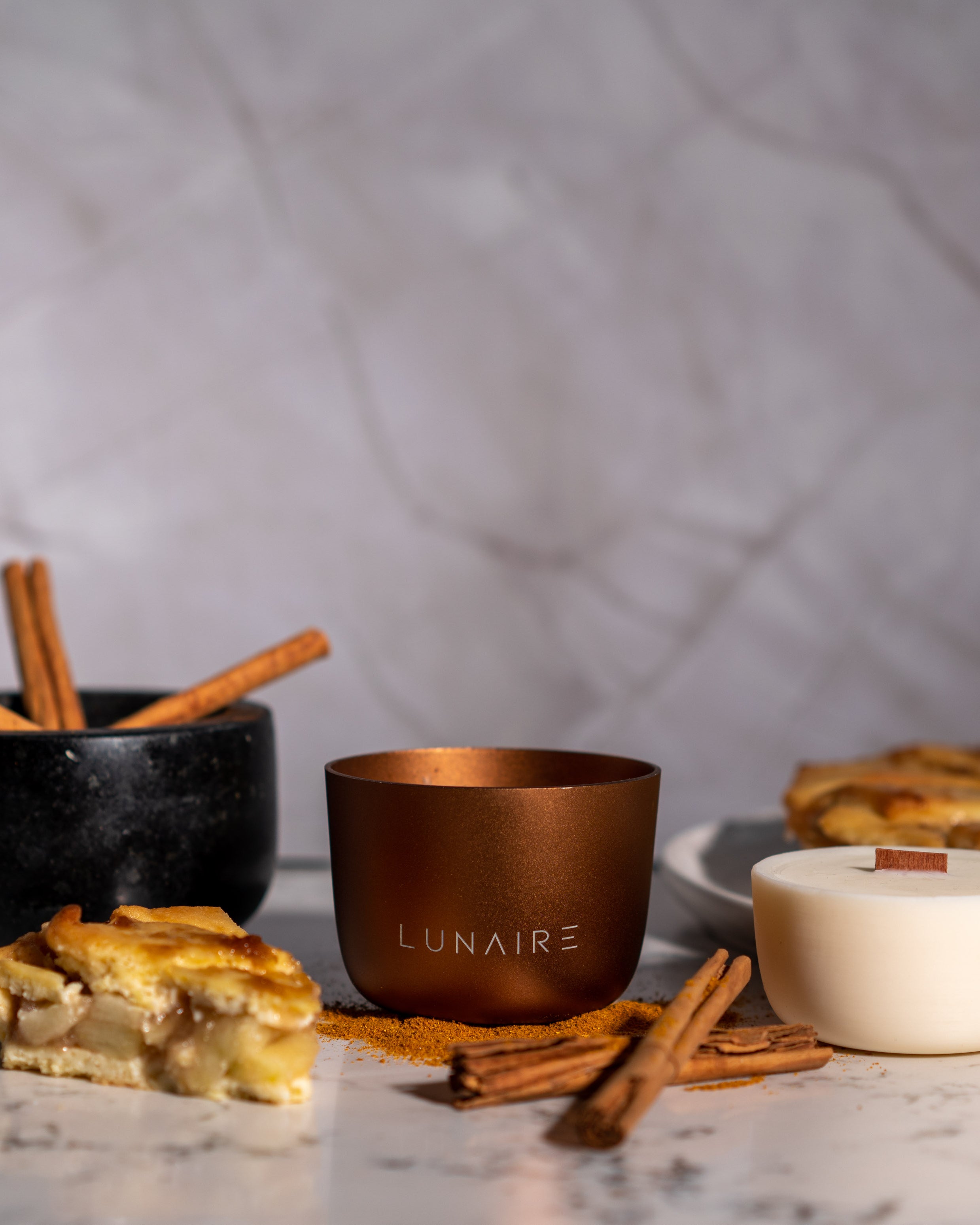
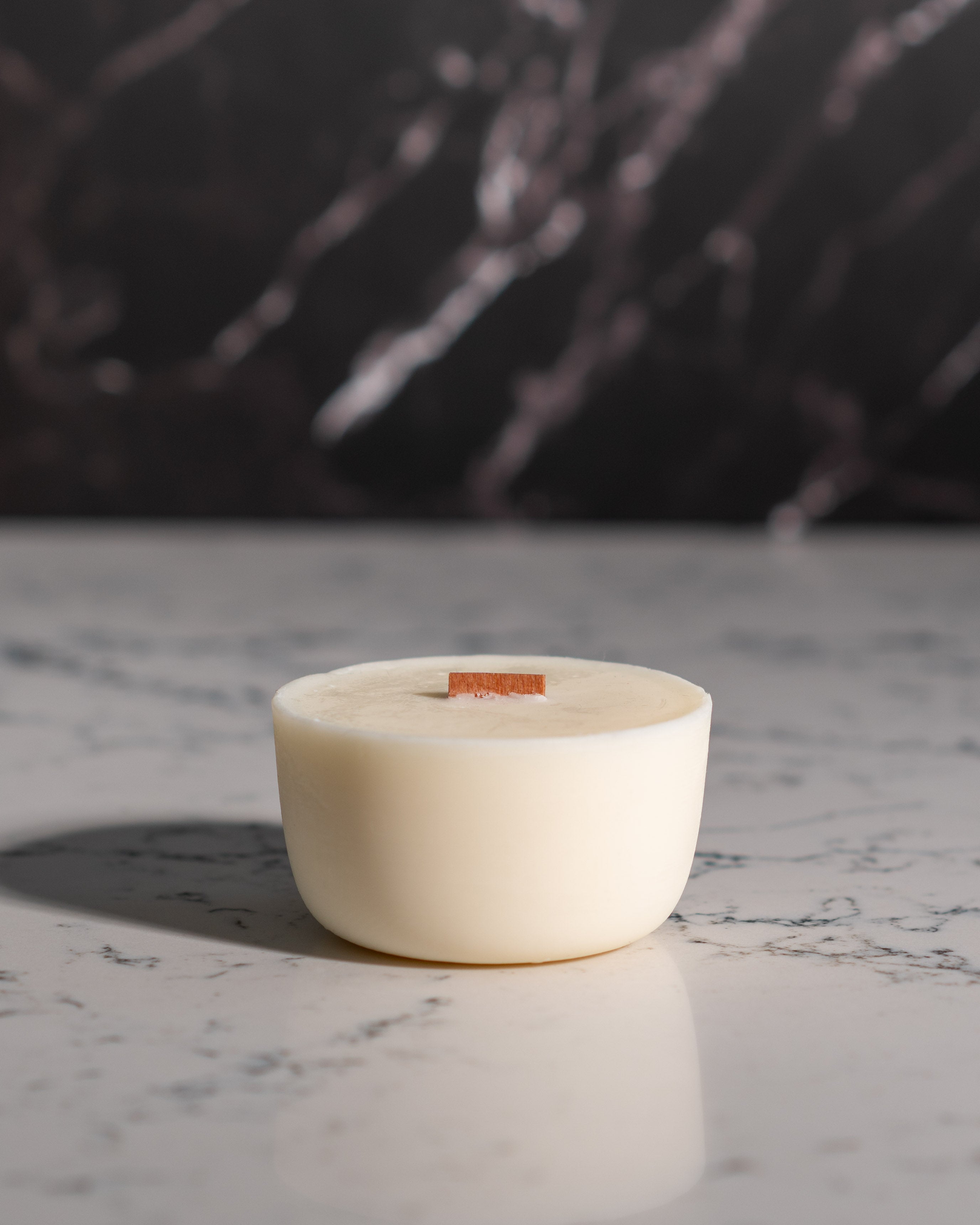
The gifts that survive are the ones that do a job — something that sits on a desk, a shelf or a bedside table and earns its place. A candle clears this easily, provided it isn't a novelty. A refillable one clears it twice, because the object outlives the consumable and the recipient chooses what comes next.
The logo question
The instinct is to brand it. Resist most of the way.
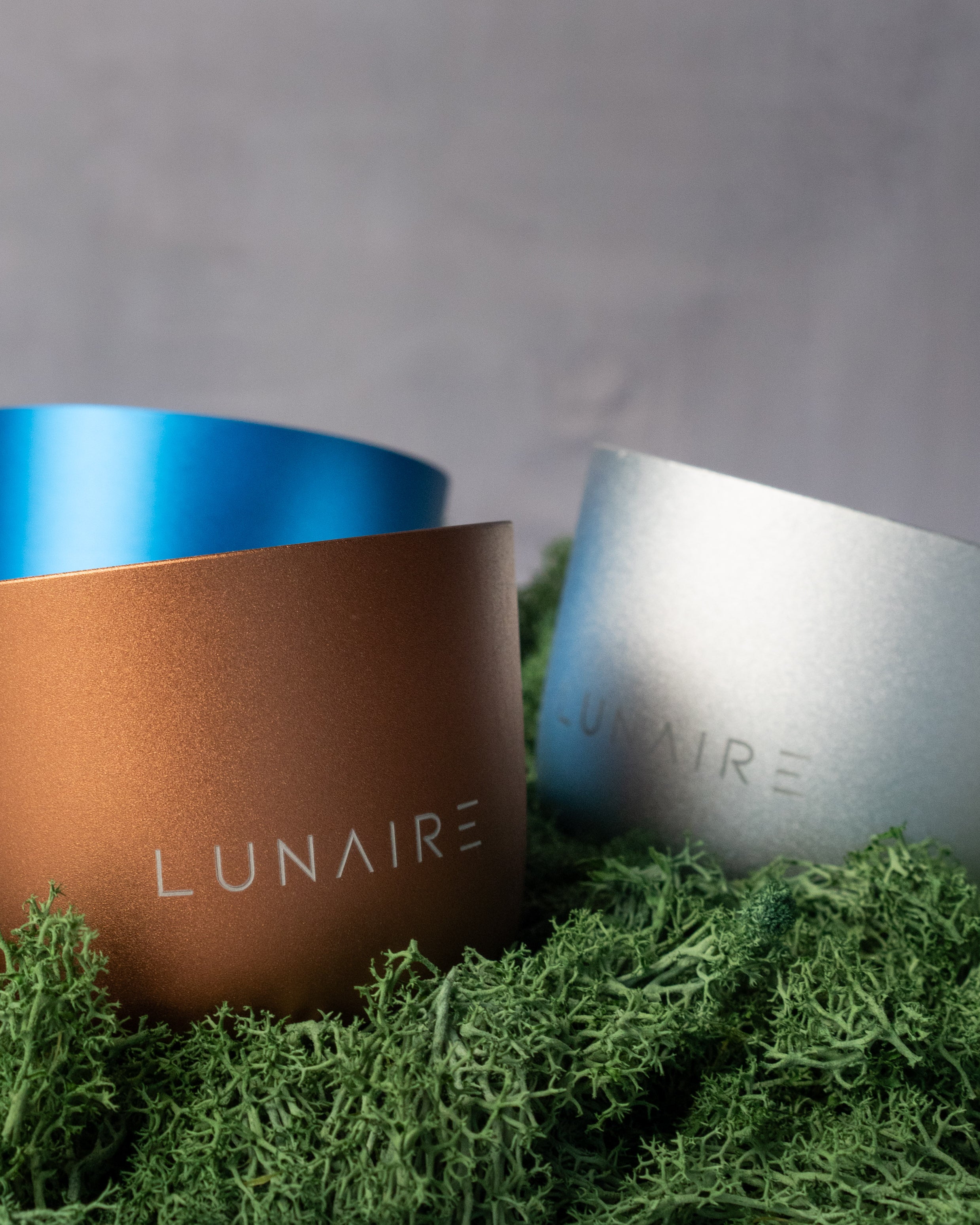
A discreet engraving works. A large printed logo turns a gift into merchandise, and people can tell the difference instantly. Our jars are anodised aluminium, which takes a small, permanent engraving cleanly — a company mark at a modest size, or better, the recipient's own name with your brand kept to the card.
The rule we'd give you: if the branding is the first thing they notice, you've made a promotional item, not a gift.
Fragrance is not a safe default — choose carefully
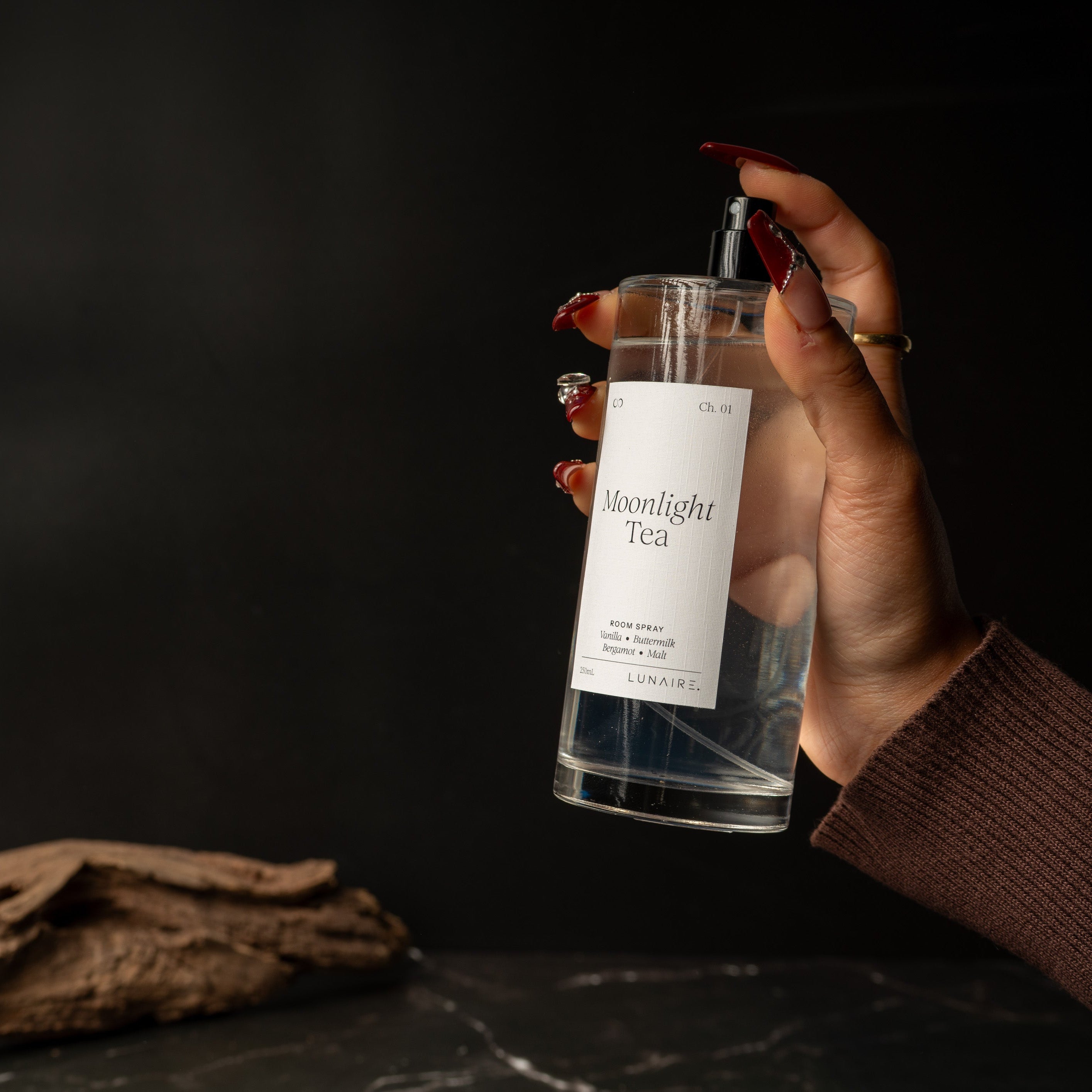
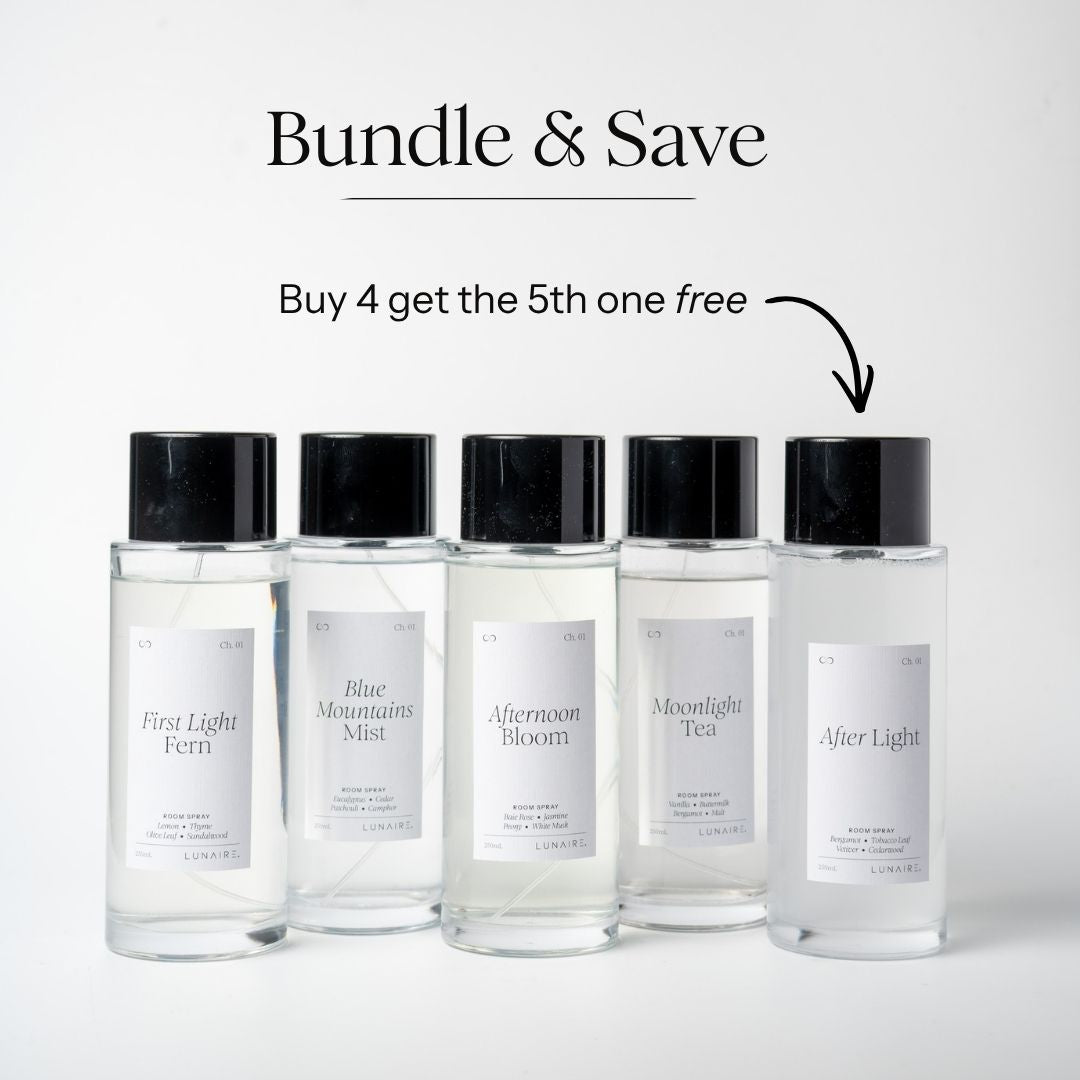
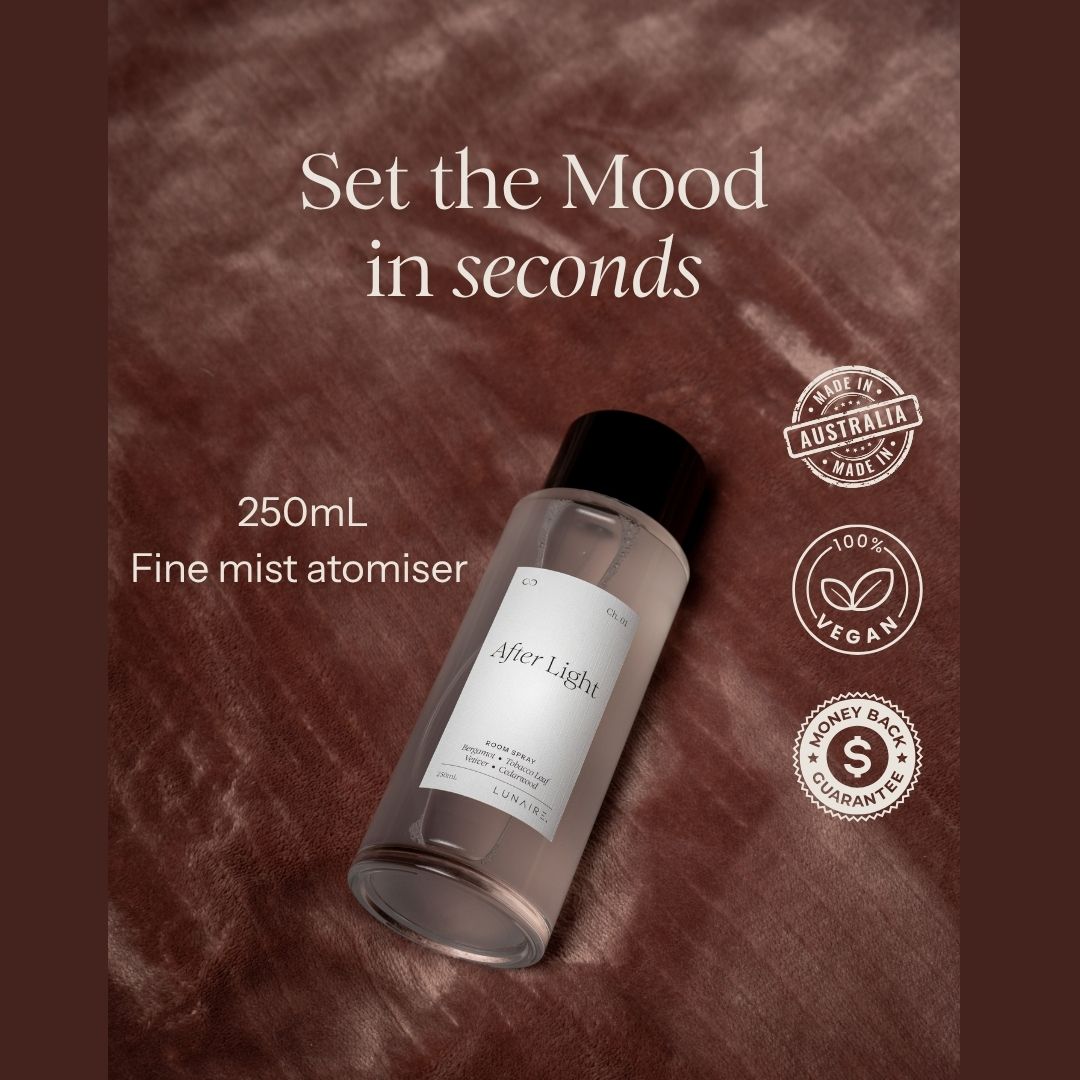
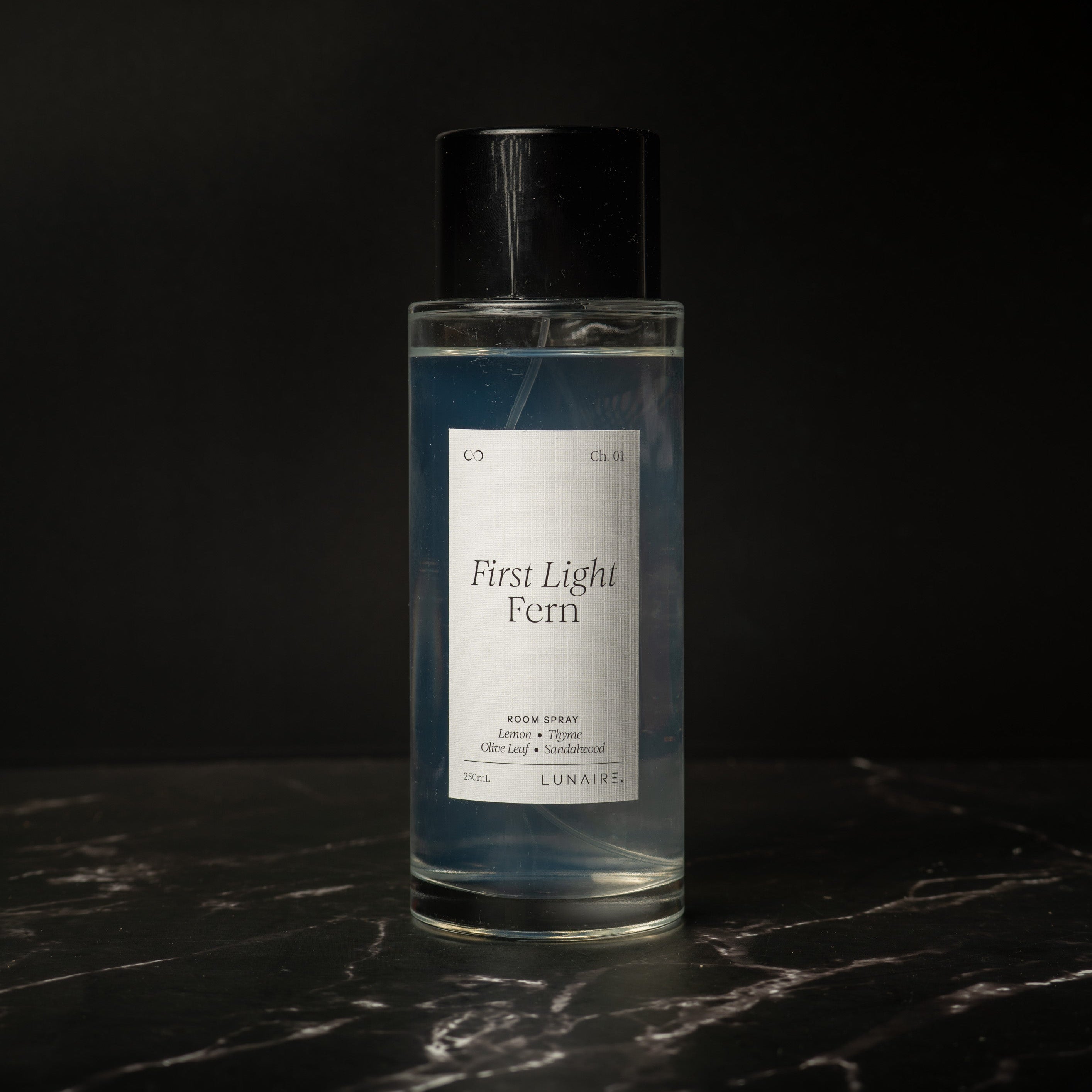
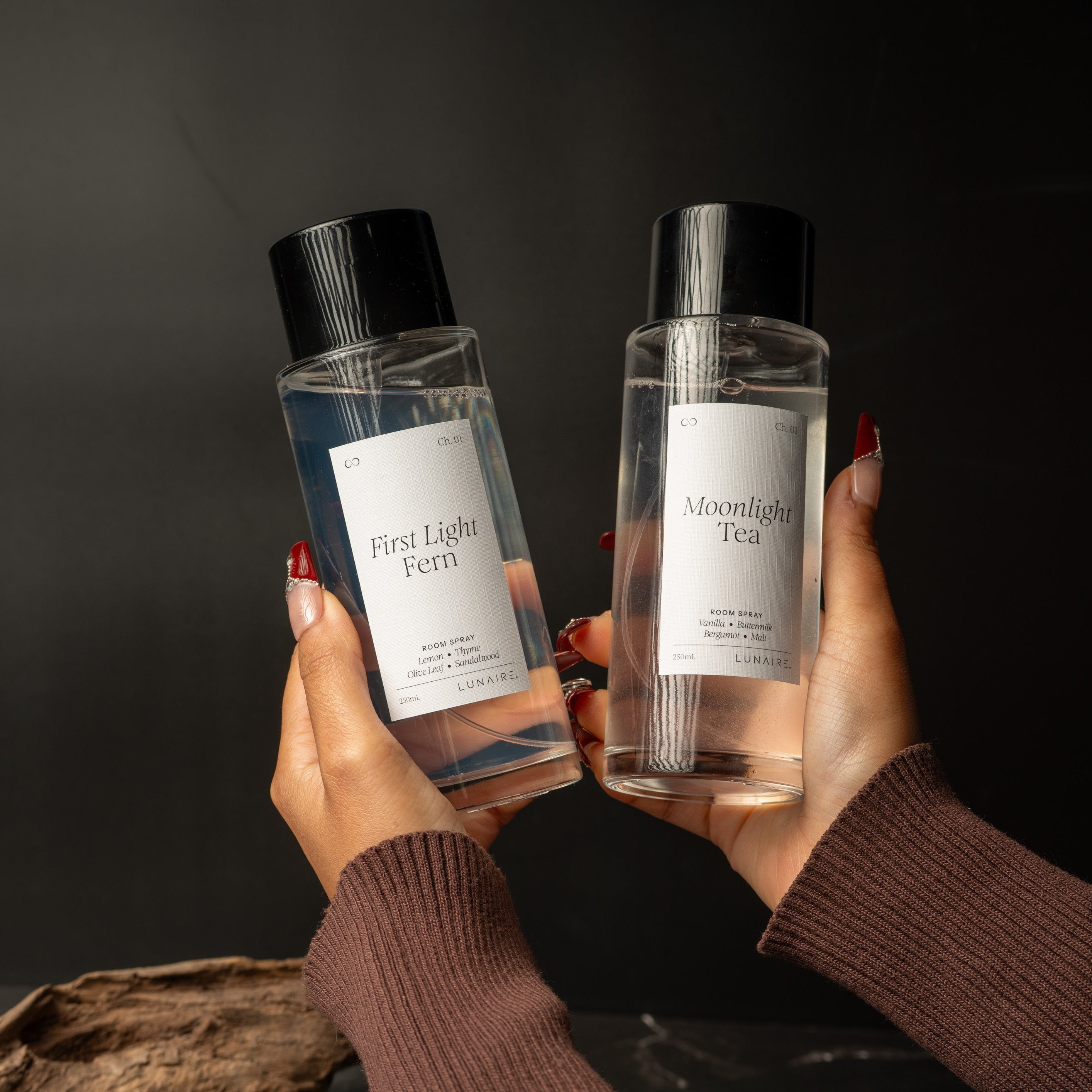
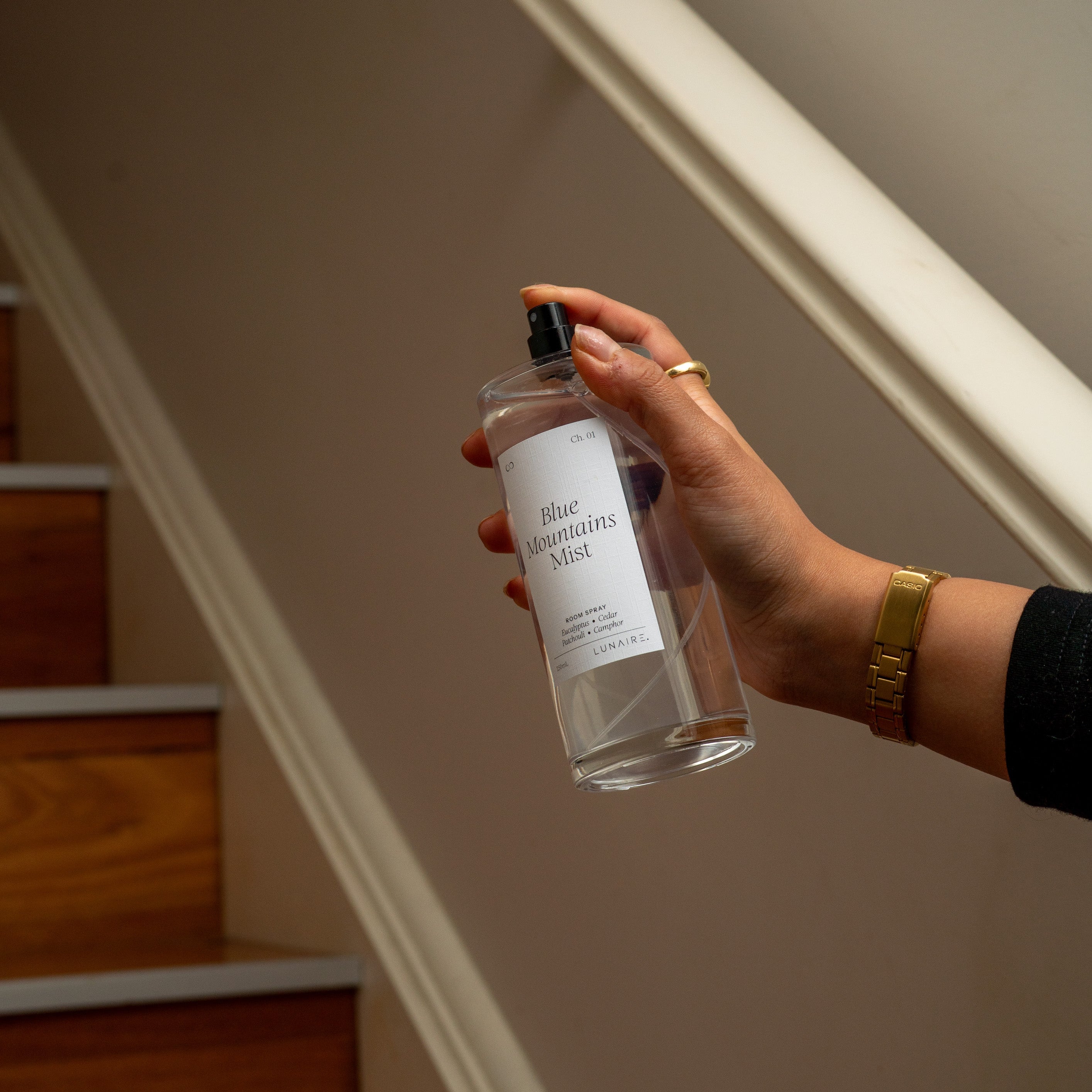
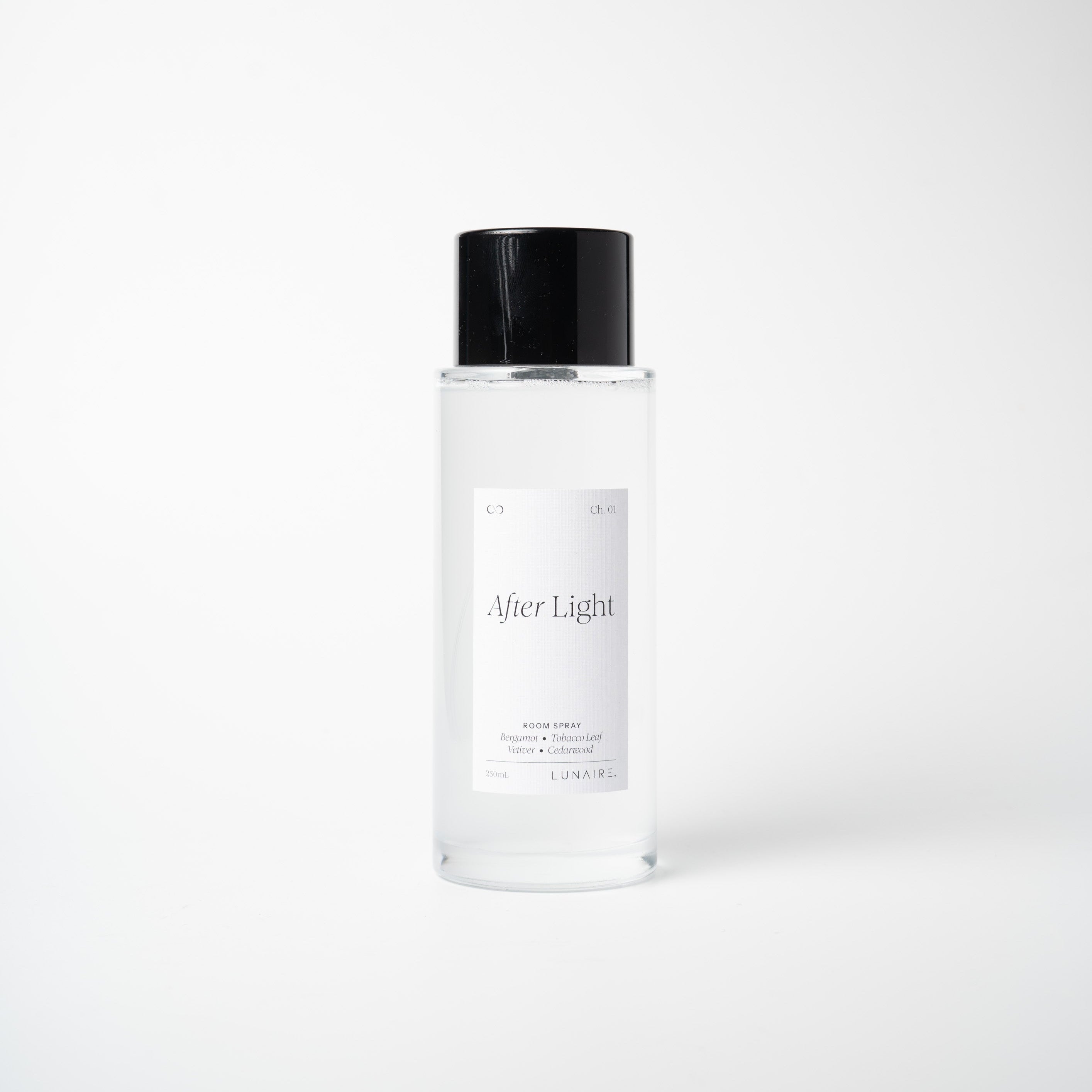
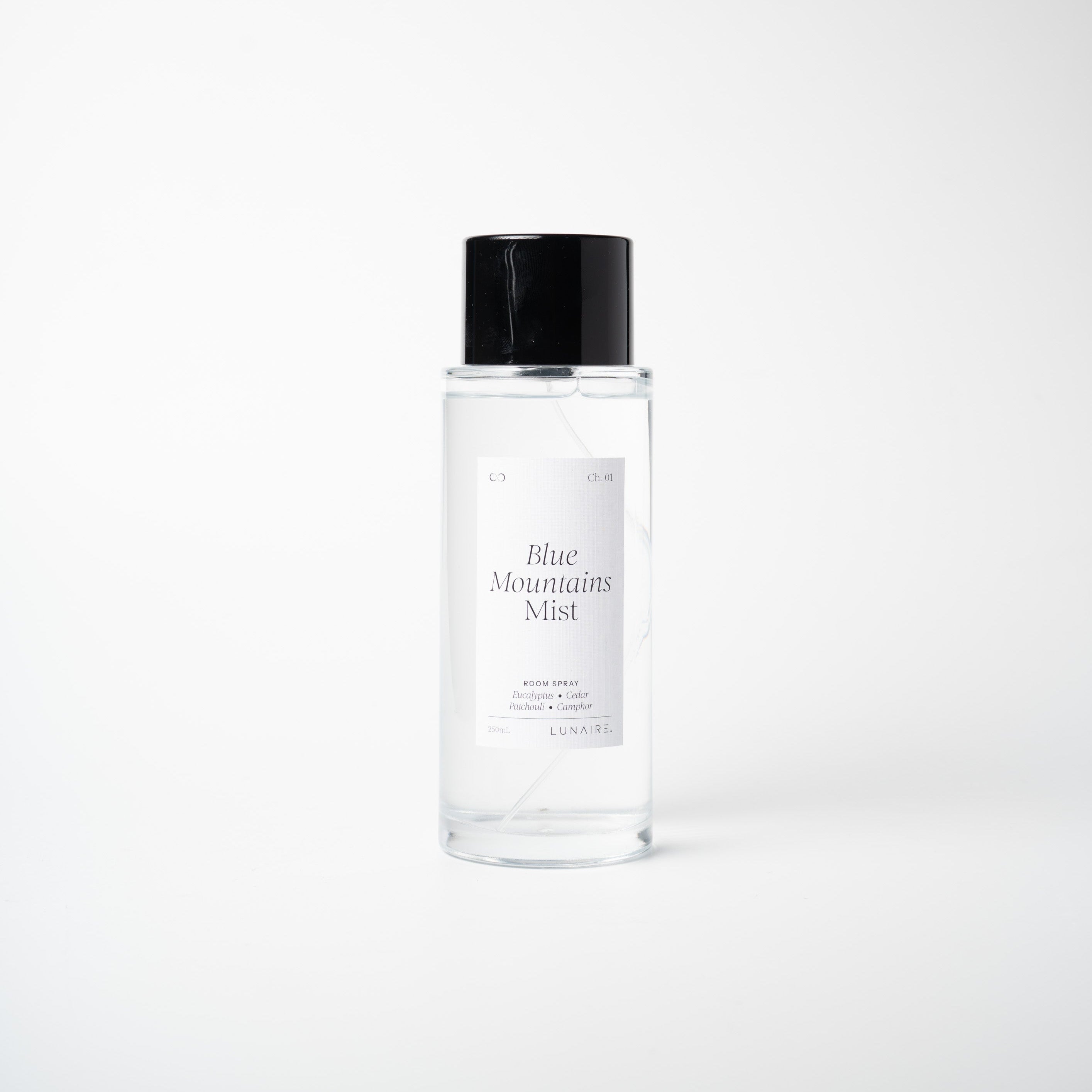
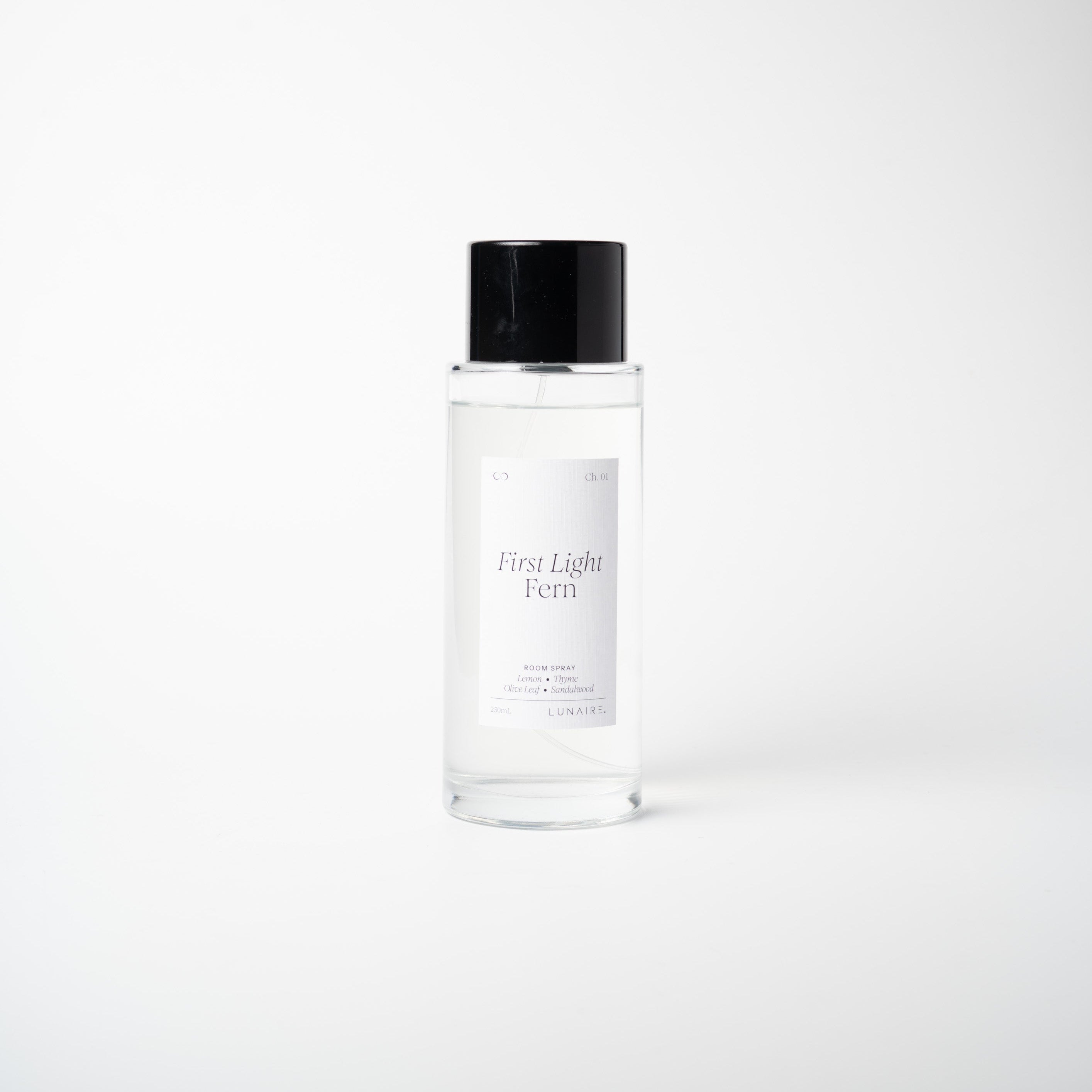
Scent is personal and offices are shared. For corporate volumes, avoid heavy florals and anything gourmand or sweet. Neutral, clean and woody travels furthest across a mixed recipient list — First Light Fern (Thyme + Olive), After Light (Bergamot + Cedarwood) and Blue Mountains Mist (Eucalyptus + Cedar) are the three we'd put in front of a corporate client. Or remove the risk entirely and gift the jar with a gift card for the scent.
Getting the budget brackets right
Decide the per-recipient number before you shop, and tier it honestly.
- Under $30 — the volume gift. A single refill pod, or personalised tealights. Right for a broad staff list, an event, or a conference giveaway that isn't embarrassing.
- $40 to $70 — the client gift. A Forever Jar, or a jar with a scent in it at $68.90. This is the bracket most B2B gifting sits in and it's where a refillable candle is strongest, because the recipient keeps using it long after the relationship touchpoint.
- $90 and up — the key account. An engraved jar with multiple refills. Reserve it for the twenty relationships that actually matter rather than spreading it thin across two hundred.
The most common mistake is flattening the list — spending the same modest amount on everyone. Tier it. Your top clients notice the difference and everyone else is still getting something good.
Sustainability that survives scrutiny
If your business has made public commitments, gifting is exactly the kind of small, visible decision that gets held up as evidence either way.
Two things worth being able to answer:
-
What happens to it afterwards? A refillable vessel has a genuine answer. A single-use glass jar has an awkward one — wax residue and metal wick sustainers make candle glass difficult for most kerbside systems, so it usually isn't recycled even when the recipient tries.
- Can you name the supplier and where it's made? Ours are poured in Australia. That's a one-line answer in a procurement conversation, which matters more than it should.
The practical checklist
- Confirm numbers by mid-October. Not December. Final headcounts slip and you want the buffer.
- Add four to six weeks for engraving. Personalisation is the first thing to bottleneck in Q4.
- Collect delivery addresses early. With hybrid teams, this is the step that actually derails corporate gifting — not the gift, the addresses. Start the spreadsheet now.
- Order samples first. Never buy two hundred of something you haven't held.
- Decide who writes the cards. A hundred printed inserts read as a mail merge. Split the list and hand-write the top tier.
Where it goes wrong
Three failure modes, all avoidable: leaving it until December and buying on availability; over-branding until it stops being a gift; and choosing a strong fragrance on behalf of two hundred people you've never met.
For the same thinking applied to personal gifting, our guide to sustainable candle gifts for individuals covers the smaller-scale version.

The measure of a good corporate gift
Twelve months later, is it still in use? For most corporate gifting the honest answer is no, and everyone involved knows it. A jar that's on its fourth refill by next September is a different kind of answer entirely.
Planning client or team gifts this quarter? Explore Forever Jars, engraving and bulk options at lunaire.au — and get in early for Q4.