












How Scent Maps Emotion and Experience
Scent is unlike any other sense. Light enters our eyes and sound reaches our ears through elaborate channels of interpretation, but a fragrance travels almost directly to the emotional core of the brain - to memory, mood, and meaning. A single whiff can transport you to a moment, a season, or a feeling long forgotten or deeply cherished.
Where vision describes form and memory recalls fact, scent evokes atmosphere. It is inherently narrative: the warmth of citrus at dawn, the leafy coolness of a forest path, the softness of flowers in midday sun, the tender familiarity of evening light, and the shadowed depths of night. These are not just olfactory experiences - they are emotional states. Each one tells a chapter of our internal story.
A Day in Fragrance
Sculpting a day with scent is a way of layering emotion, anchoring intention, and marking transitions. Instead of marking hours on a clock, scent can mark moments of feeling — the calm before action, the deep breath between tasks, the slow exhale after effort. Below is one way of experiencing a day through five signature scent moments, from first light to nightfall.
Dawn — Fresh Beginning & Renewal

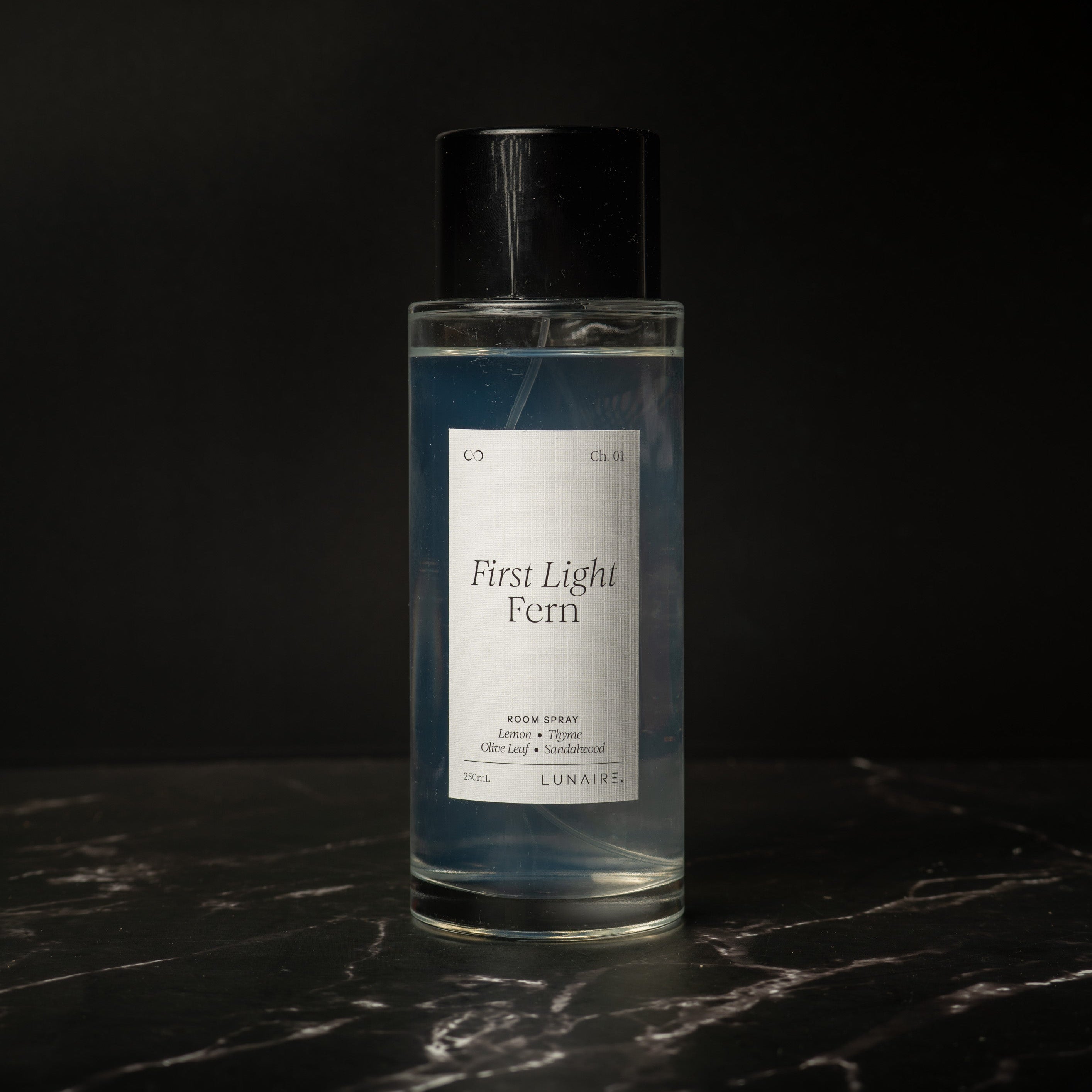
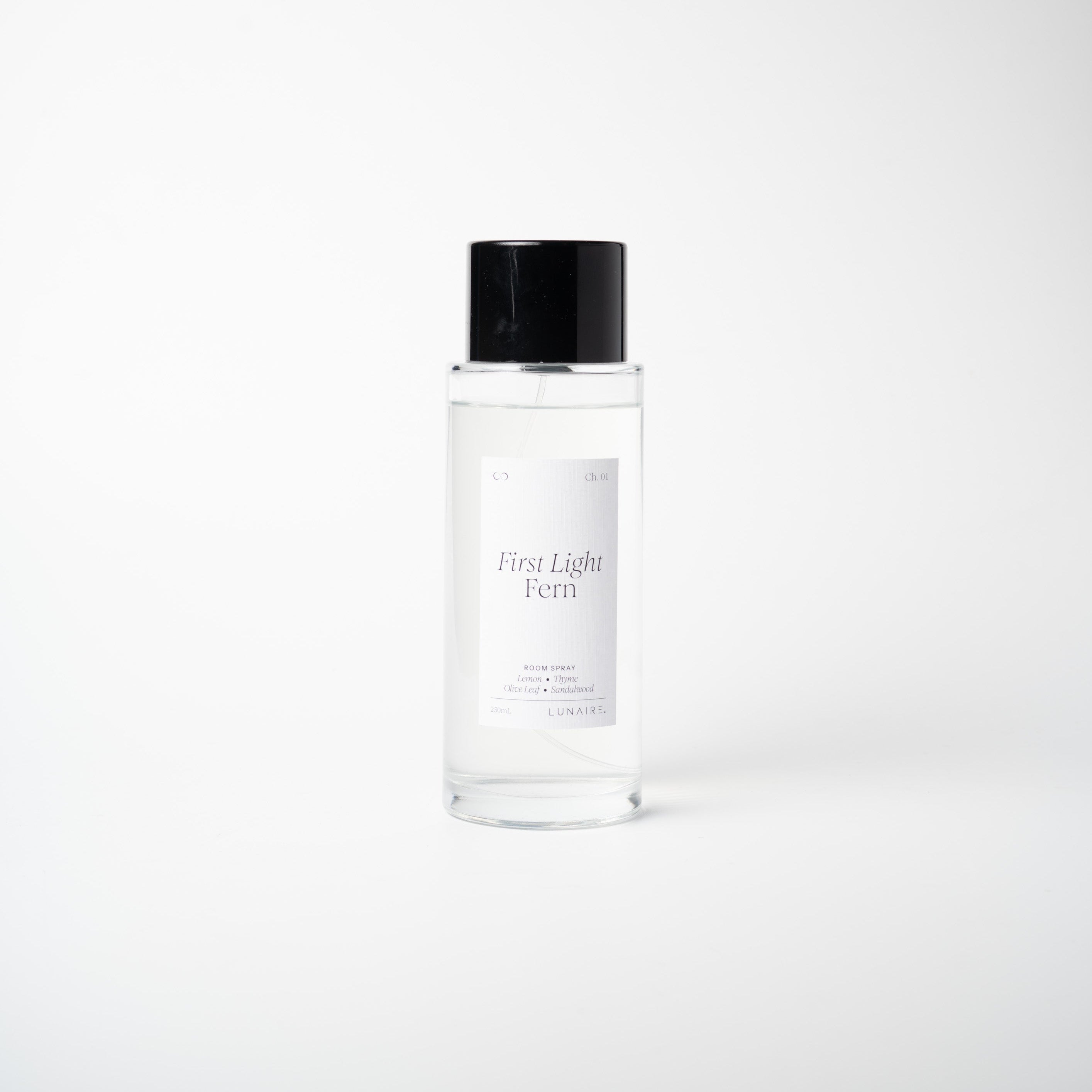
First Light Fern opens the day with crisp, herbal brightness. Citrus top notes are lifted by bergamot and lime, while lemon thyme and olive leaf create an airy green heart, grounded by sandalwood and musk. It is fresh, clean, and inviting — like the world before noise arrives and the mind is quietly clear.
Emotional mood: clarity, possibility, gentle presence.
In this stillness, scent becomes a way to arrive: to place body and mind in the same peaceful moment before the day’s demands begin. It feels like breathing slowly, absorbing light, and allowing intention to rise.
Mid-Morning — Grounded Clarity & Quiet Presence

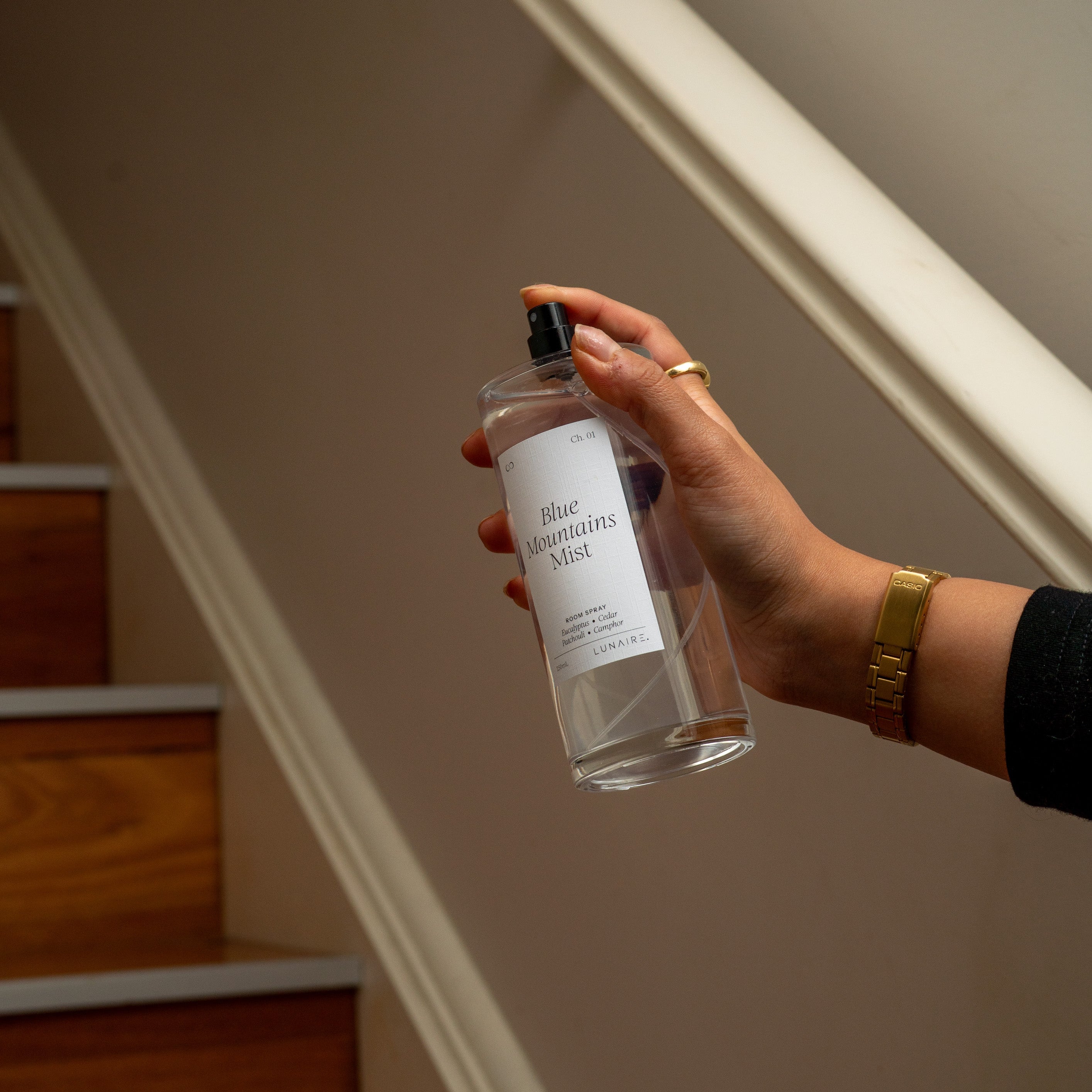
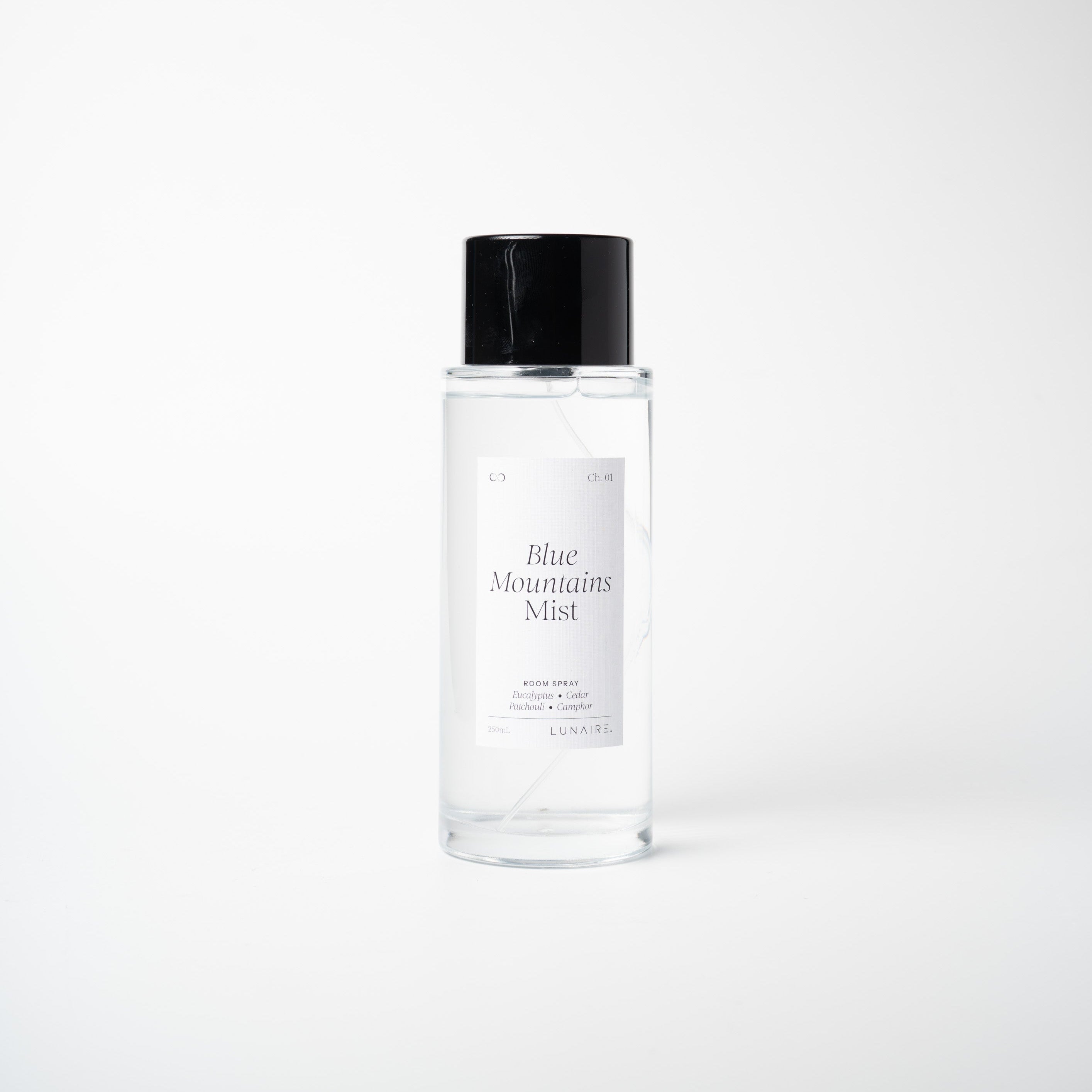
As morning edges into mid-day, the world feels awake yet unhurried. Blue Mountains Mist captures this cool, refreshing pause. Crisp eucalyptus and camphor open the fragrance, while earthy patchouli and dry cedarwood anchor it.
Emotional mood: grounded attention, calm focus, embodied stillness.
Rather than signalling busy productivity, this scent evokes a moment to notice presence: the way air feels on bare skin, the subtle rise and fall of breath, the steady rhythm of movement. It is a reminder that clarity does not always need speed.
Afternoon — Warmth & Sensual Ease

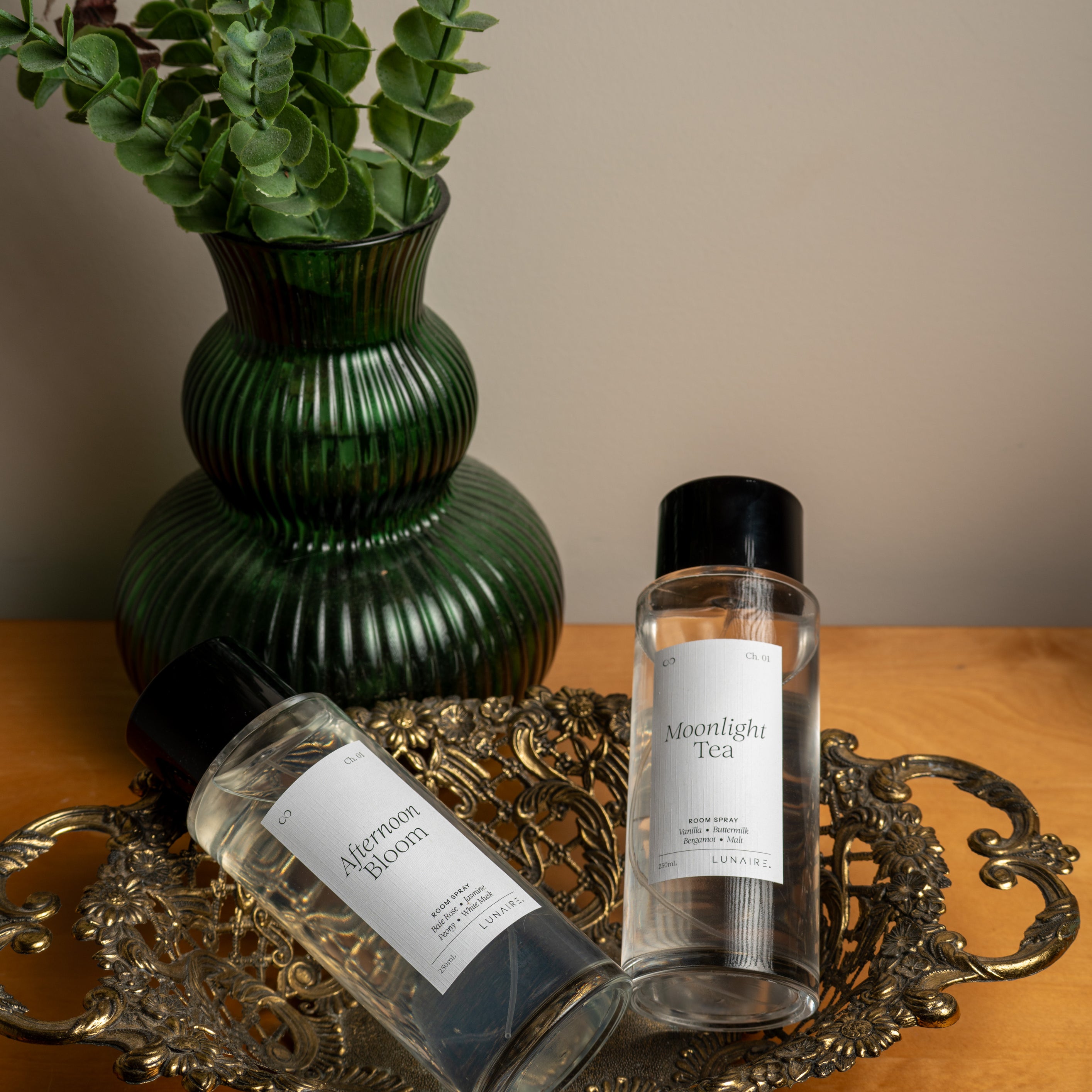
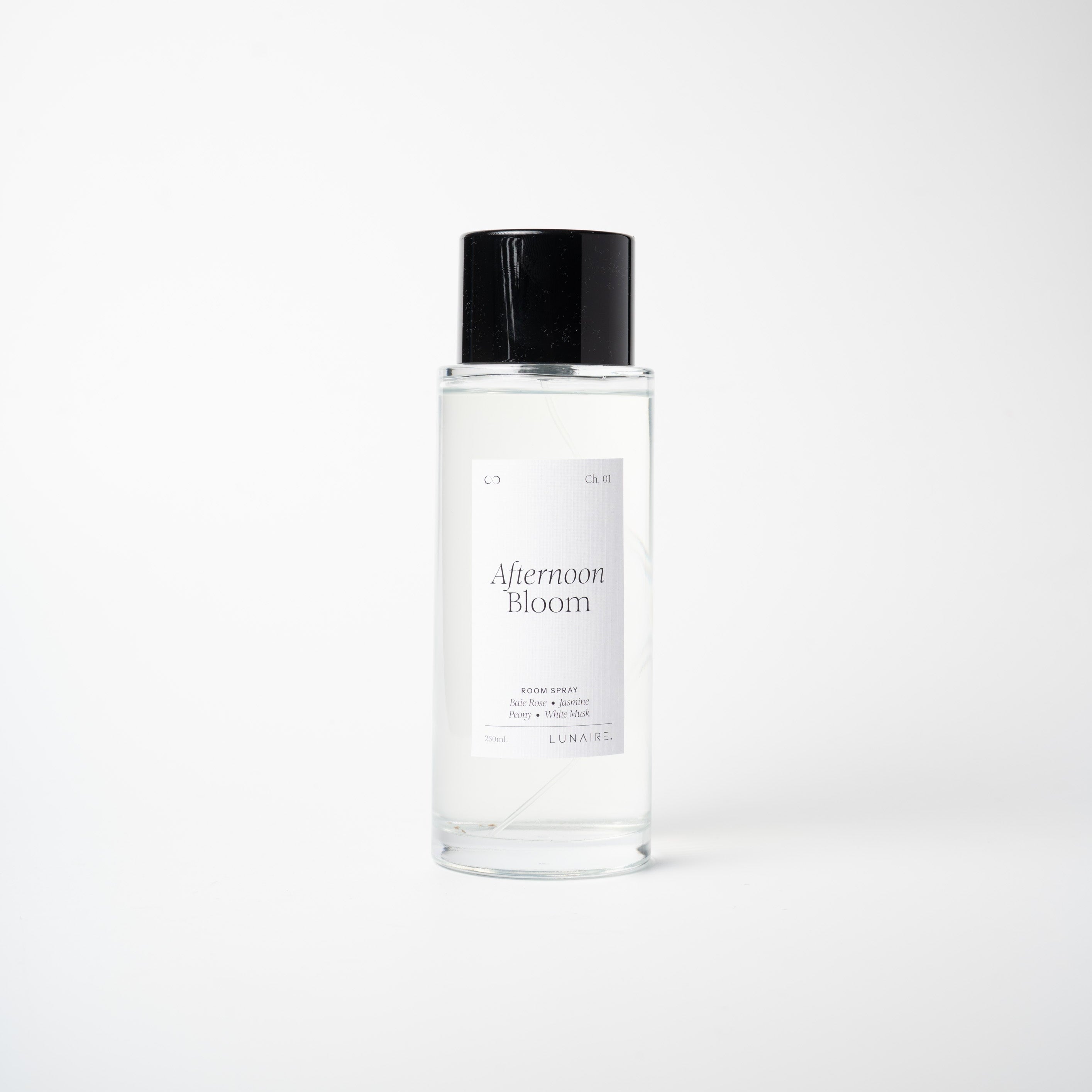
Mid-afternoon carries its own rhythm — the sun softens, shadows lengthen, and time seems to slow. Afternoon Bloom wraps this moment in gentle floral warmth. Notes of jasmine, peony, and rose are cushioned by white musk, forming a floral heart that feels tender and luminous.
Emotional mood: ease, warmth, gentle fullness.
This is the pause that allows softness — a reminder that afternoons are meant to be experienced, not just endured. There is richness here: softness that is not shy, warmth that is inviting, and calm that is unforced.
Dusk — Comfort & Soft Reflection

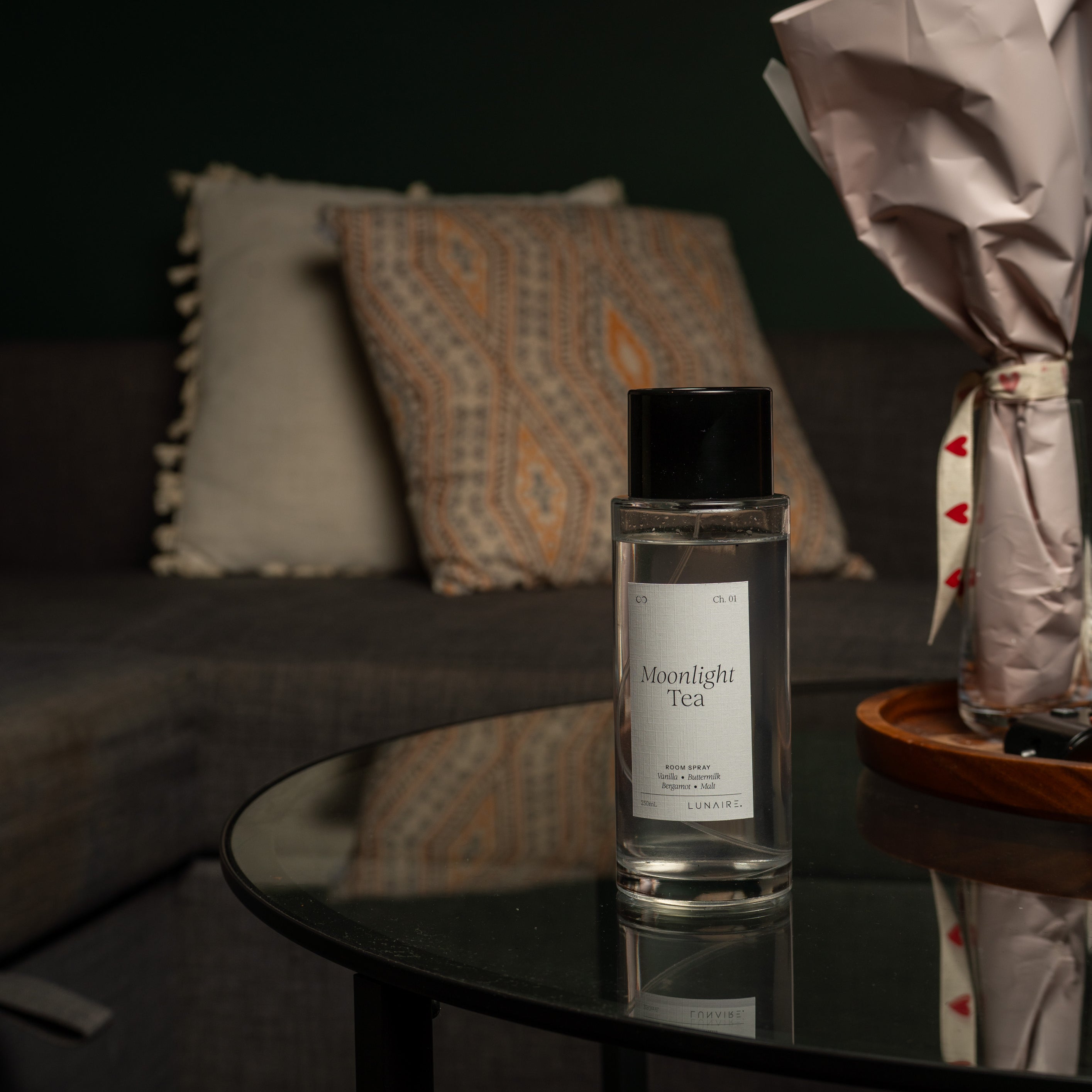
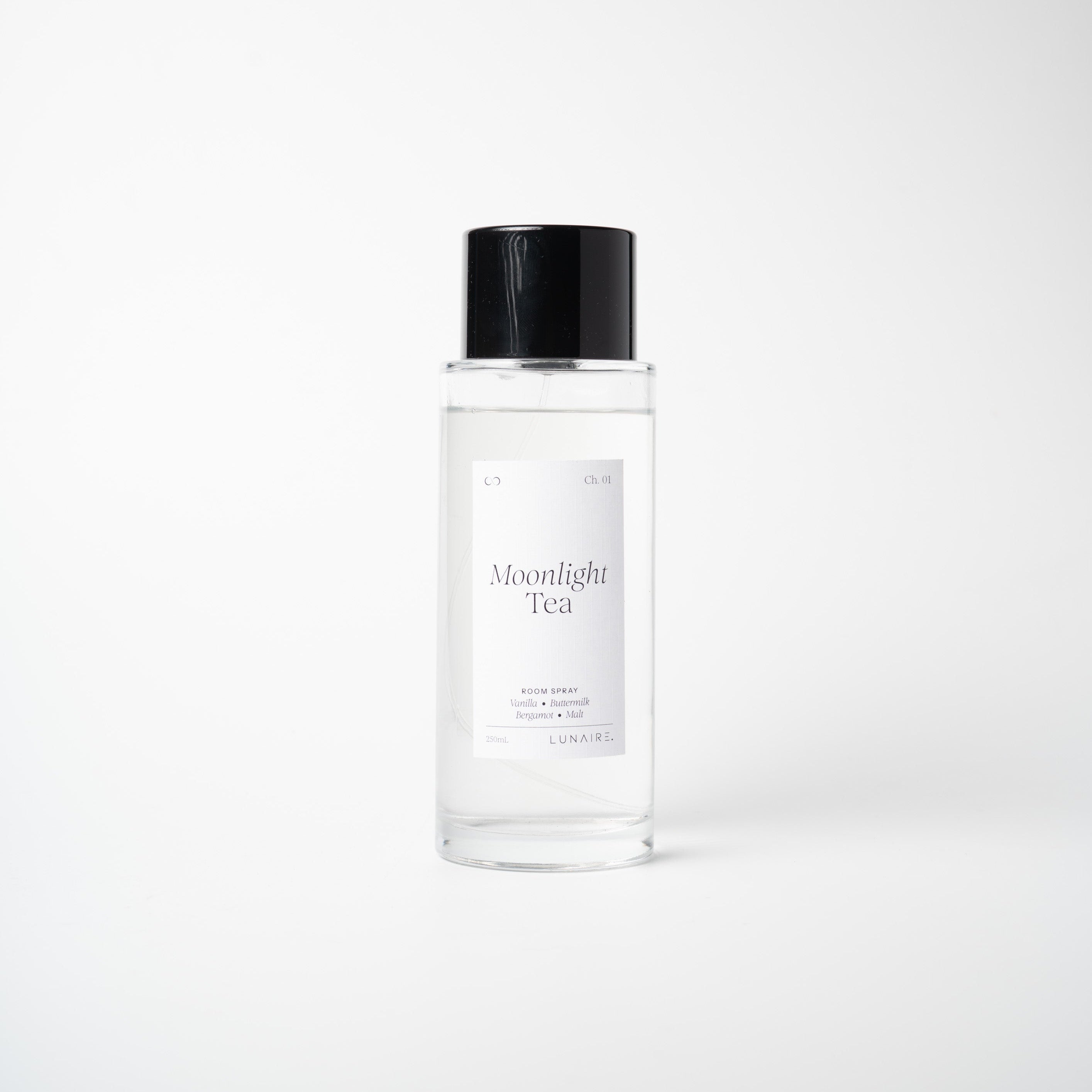
As daylight begins to wane, there is a need for something comforting and grounding. Moonlight Tea answers this moment with warmth and nostalgia. Vanilla and bergamot gently entwine with creamy buttermilk and malt, settling into smooth, soft richness with a hint of musk.
Emotional mood: quiet comfort, reflection, gentle transition.
This scent feels like the first exhale of evening - a low, deep breath after a full day. It is familiar, soft, and soothing, inviting presence rather than performance. In this hour, scent does not push; it cradles.
Night — Depth & Stillness

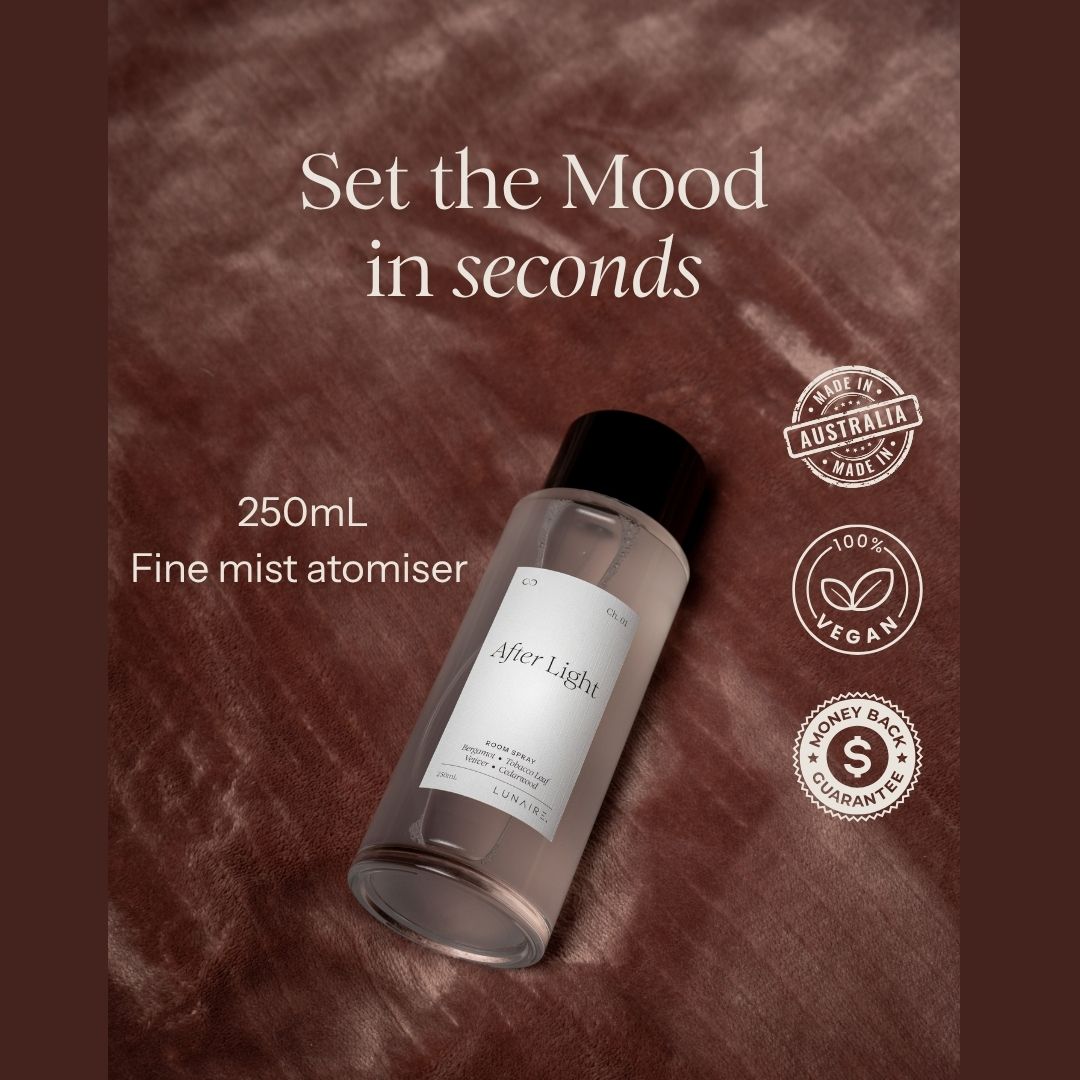
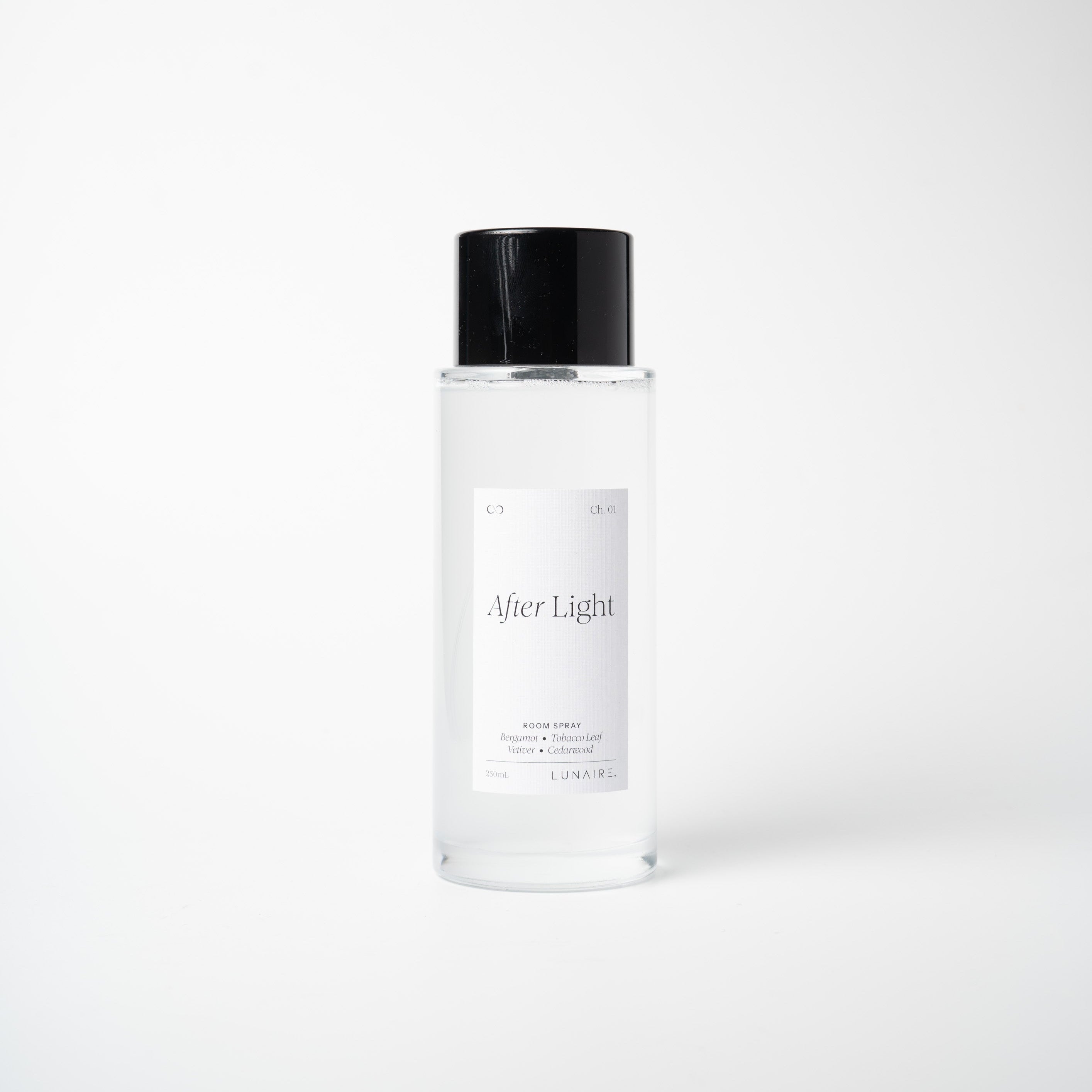
When darkness deepens and the world exhales, some fragrances move beyond softness into nuance and contemplation. After Light blends bergamot and fig with earthy vetiver, smoky cedarwood, black tea leaf and musk to create a deeper, more textured atmosphere.
Emotional mood: introspection, depth, quiet resolution.
Here, scent becomes stillness. It invites slowing rather than alerting, grounding rather than distracting. It is a closing chapter that feels complete without finality — a moment that honours emotional processing and the slow settling of the mind.
Why a Scent Journey Feels Familiar
We are wired to feel life as a continuum of experience, not isolated moments. Scent interacts with this continuity. A fragrance becomes more than an aroma - it becomes a marker of emotion, a bookmark in our internal narrative.
Morning notes can feel like promise. Midday aromas feel like presence. Afternoon perfume evokes warmth and body. Evening blends suggest comfort and intimacy. Night essences embrace reflection and depth. The arc from first light to late dusk mirrors the psychological rhythm of a human day - from possibility to presence, from warmth to stillness, from thinking outward to feeling inward.
Anchoring Ritual in Everyday Life
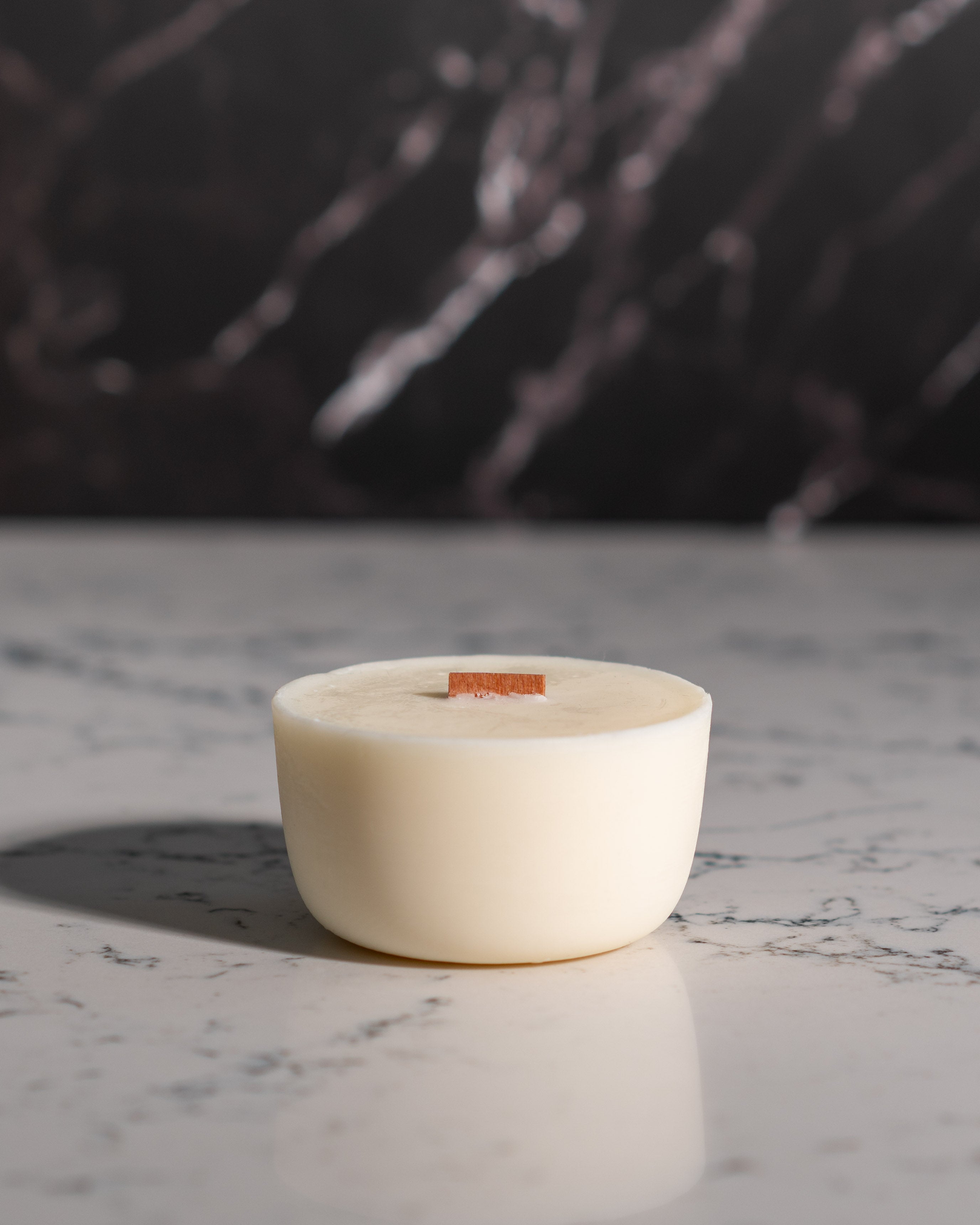
Understanding scent as narrative encourages mindfulness, not consumption. A candle lit at dawn may be more than a candle - it is a choice to be intentional. Lighting incense at dusk can feel like a ceremony for calm. Choosing a scent in the evening can be a way to mark closure and emotional safety.
This perceptual shift - from viewing scent as decoration to seeing it as experience - makes everyday life richer. It provides a sensory framework for emotional states that are otherwise fleeting or intangible.
Scent as Memory, Mood, and Meaning
In ancient cultures, scent was used in rites of passage, meditation, prayer and healing. In modern life - with its constant stimulation and distraction - scent offers something subtly powerful: an emotional anchor. It reminds us of where we are in our inner chronology, helping bridge the gap between external time and internal feeling.
A day, then, is more than morning, noon, and night. It is a series of emotional states that deserve to be noticed, gently acknowledged and, if we choose, tenderly framed.
Closing Thought
A day told through scent moves beyond novelty - it becomes rhythm, ritual and resonance. Each fragrance can be a companion at a different emotional tide, from the hush of dawn to the stillness of night. When we live with scent this way, we allow our senses to participate in our own story, deepening not just perception, but presence itself.